Update: 2018 Oxygen Failure on Everest – Regulator Recall
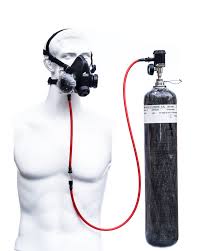
Followers of the Everest 2018 spring climbing season will recall that a few teams experienced a failure of their supplemental oxygen systems provided by the UK company, Summit Oxygen (SO). While alarming, to maintain a sense of perspective, it was 25 out of 500 to 1,000 that regulators failed, not a massive failure as some described. Neil Greenwood, the founder and Managing Director of SO, has sent me an update on what caused the problems the solution. He is recalling several batches of faulty regulators. Regulator Failures at 8,000-meters. First reported by Lucas Furtenbach’s north side Everest team, multiple teams experienced the nightmare scenario of having their supplemental oxygen systems fail above 8,000 meters. It now appears that a combination of high humidity and a manufacturing defect in the all important O-ring in the regulator caused the failures. When a regulator that manages the flow rate between the bottle and the mask fails, life-giving oxygen is released into the atmosphere forcing the climber to swap the regulator out for a spare and continue their climb or to retreat to a lower altitude where supplemental oxygen is not as critical. In their forensic analysis, Summit Oxygen found that many of the reported failures were not failures but “operator error” due to broken O-rings or people having stood on the hose between the reducer and flow selector with their crampons. All of the teams who had failures in 2018, except for Alpenglow due to an unusually large number of failures, had enough spare regulators with them on their summit push to salvage their climbs those nights. There were no deaths or injuries on any team, as a result, the failures. Summit Oxygen Statement from Neil Greenwood To update you on the situation regarding the regulator failures during the spring season 2018. We have concluded our investigation and having carried out extensive interviews with those affected and also those who thought they had been affected, it is now clear that approximately 25 – 30 regulators were affected all on one particular night (15th/16th May 18) with the exception of one incident where one individual was affected the following night (16th/17th May 18). The problem was without doubt caused by the high humidity levels in the atmosphere during that period (approximately 80% at one point) combined with miniscule leaks on one or both of the piston o-rings. This is further corroborated by the fact that there have been no previously reported cases of this nature and none since. The same equipment was used on K2 this year with no reported problems. I’m currently in Kathmandu conducting the modification to our fleet of rental equipment, our stock of new product and also for our customers who have purchased the products. Internally, the product drawings have been updated with the modification and the features will be included as standard in all future product builds. I want to add that all the guides who experienced issues, either through failure or operator error should be acknowledged for their experience and professionalism to handle a crisis with no injuries or loss of life. Also a hat tip to Adrian Ballinger who called me from almost 8,000-meters on the North side as the emergency was unfolding. He asked me to help get the word out so other teams would not be in potential jeopardy. Climb On! Alan Memories are Everything
Preparing for Everest 2019!

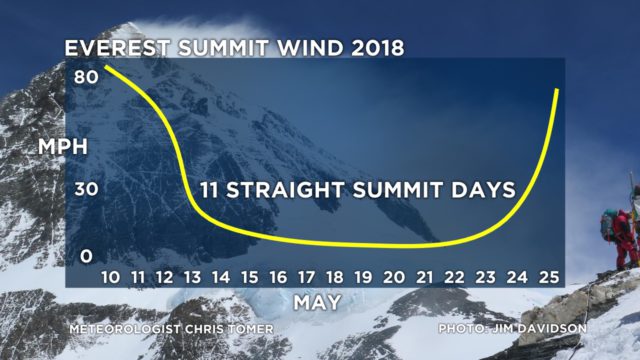
With #Everest2018 in the books, I wanted to step back and see what lessons were available from this season and how to prepare for #Everest2019, if that’s in your mind. First off, let me start with a plug for my consulting service, Summit Coach, where I have worked with many climbers over the past 18 months to help them successfully summit Everest, Gasherbrum II, Denali and other peaks across the world. More on this in a moment. Everest 2018: The Good and the Bad This season was good in many respects with my estimate of a record 700+ summits and a death count in the “median” range, but once again could some of these deaths have been prevented? Global Rescue CEO Dan Richards said they conducted 66 evacuations off the peak ranging from 2 to 3 a day. Everest ER said they treated almost 400 patients, mostly for respiratory issues, followed by musculoskeletal injury, then stomach upset. Perhaps more alarming was their comment, “We may have seen more cases of frostbite than ever this year.” And they had eight cases of life-threatening HACE or HAPE this season. 2018 Lessons Frostbite is preventable: with the oxygen, clothing, boot and glove technology, there are few reasons for anyone to suffer frostbite. If they did, it suggests having boots too tight (feet swell at altitude), or too few layers, too little supplemental oxygen or even removing gloves at the wrong time (as if there ever is ever a right time!) These are all climbing basics. Stomach issues are preventable: It’s all about hygiene on Everest (or any other mountain). Use of a hand sanitizer is the first easy step – use often and thoroughly including deeply between the fingers and always after using the restroom. Next is up to the cooks in the kitchen and your teammates. All water must be boiled – come to a full boil. Both sides of Everest suffer from too much human waste thus the water supply must be assumed to be contaminated at all camps. If your water is always tepid – be afraid! As for your teammates, were there water bottles sitting on the dining table? Probably and this is how yak dung gets into your food supply. The bottle sits on the ground, moved to the table, moved around and voila, contamination occurs – a simple fix. Don’t be a slob: Human waste and litter continue to be a problem with new, and old, climbers plus support staff visiting the world’s peaks in record numbers. While Everest is the poster child, this disgrace is occurring across the globe at an alarming rate. Here in my Colorado Rocky Mountains, the 14,000-foot peaks are seeing regular occurrences of graffiti on rocks. On peaks like Elbrus, there are fields of human solid waste. Even on Denali which has had a “blue bag” policy for years, they allowed the waste to be thrown into crevasses and now experience downstream water contamination. Both Nepal and China have tried to enforce litter rules for the last ten years, but lacking oversight, everyone on the mountain, and I mean everyone, has contributed to the problem so its time for the climbing community to step up and clean up their own backyard. Buyer Beware – Not all Guides are Guides: Once again, stories are coming out from Everest 2018 of clients being abandoned on the mountain, climbing alone and dying. I can go through the old adage of you get what you pay for but it’s deeper than this. In some cases there is an outright fraud by operators promoting their services with a slick website while asking top prices, saying whatever the customer wants to hear and delivering the minimum. Poor leadership, poor organization, poor hygiene are the common complaints I heard this season. The promise of two room sleeping tents, cots, unlimited internet, hot showers and “the best food ever” is no substitute for proven experience along with an excellent safety record. The best way to protect yourself is to get references from customers from the previous season that match your experience and age. Then ask again. Sadly, you cannot believe what some operators tell you and that leads me to the next point. Self Sufficiency: you are responsible for yourself – no one will take care of you on the mountain. It is a huge mistake to believe climbing a few 6,000 or 7,000 meter peaks is a substitute for real mountaineering experience. If you plan to start with no experience and climb Everest next year, think again. But I know you are saying, “Alan, this year hundreds summited with almost no experience? Are you just trying to drum up business for guides?” First, I promise you we have not heard about the near-death experiences, on-mountain rescues and other crises – the Nepal government put a gag order on any bad news this season and operators have always lacked transparency about their problems. 2018 was one of the best weather years in the history of Everest – 11 straight days of low winds allowing hundreds to spread out on each side thus reducing crowds and long waits at altitude. This was the number one reason the season was mostly safe. But what if it was 2012 with less than five summit days, or the weather moved in unexpectedly like it did in 1996? With so many clients on the mountain, there is simply not enough qualified support available – no matter what the operators say. I was told over and over about “guides” who lacked language skills, or even basic climbing skills. Disaster was averted when oxygen regulators failed at 8,000-meters this year only because most of them occurred with long-time, highly experienced guides who acted quickly and professionally to avoid client deaths. So in order to protect yourself against unqualified guides, gain the proper experience starting on low peaks increase the difficulty and altitude over a few years. Enjoy the experience and don’t view Everest as a peak to be “conquered.’”
Everest 2018: Season Summary – Record Weather, Record Summits
With an unprecedented weather window, the Everest season is winding down I estimate a total of over 800 summits smashing the previous record set in 2013 of 667 from both sides by members and support climbers. The Nepal Ministry of Tourism reported on 16 August 2018 that a total of 563 people summited during the spring of 2018 made up of 302 High Altitude Workers (aka Sherpas) and 261 foreigners (aka members) using the standard Southeast Ridge route in Nepal. I estimate 239 summits on the Northeast Ridge in Tibet. Nepal issued 347 Everest climbing permits to foreigners, including 20 Nepalis, making the overall summit rate of 75% for members on the South side. There were 52 female summits on the Nepal side in 2018. The Nepal Government collected USD$5,172,408 in permit fees. They noted that the summiteers included 51 Indians, 49 Americans and 47 Chinese. Big Picture Early in May, there was talk of early summits but then the jet stream moved on top of Everest and stopped all activity for a week. When a large high-pressure system parked on the summit, the door was opened and stayed that way for 11 straight days. The first summits were on May 14 by the rope fixing team on the Nepal side followed the next day by 70-year-old Chinese double-amputee Xia Boya with his Sherpa guides. Every day thereafter had summits from both the sides. Overall it was about as good of a season as could be expected on the world’s highest peak. The temperatures were bit warmer than usual and the winds were calmer in spite of the occasional “difficult” summit day. With the long weather window, teams spread out thus reducing the usual crowding we’ve seen before. In 2012 there were less than five suitable summit days forcing hundreds to attempt the peak on the same day. The Khumbu Icefall Of all the features climbing Everest the 2nd Step on the Tibet side and the Khumbu Icefall on the Nepal dominates the attention. This year the Icefall was well behaved. The Icefall Doctors got the route in pretty early and took it direct making it fast and safe. There were a few incidents with serac collapses and the normal delays but overall long-time guides raved about the work of the Docs. This avalanche occurred late in the season in the afternoon when no one was in the Icefall. But the big obstacle was just above Camp 1 in the Western Cwm where somewhat deep crevasses are expected but this year a “Ice Wall” created a hazard that some people just couldn’t handle. Oxygen Failure The largest story of the season was when multiple teams experienced the nightmare scenario of having their supplemental oxygen systems fail above 8,000 meters. All the systems were made by the same company, Summit Oxygen out of the UK. The regulator which manages the flow rate between the bottle and the mask opened and sent life-giving oxygen into the atmosphere. All of the teams except for Alpenglow had enough spare regulators to salvage their summit bids. Adrain Ballinger’s Alpenglow suffered 10 out of 39 regulator issues, the most of any team, and had to abandon their push. Most of their members went home but a small team stayed and summited a few days later. Neil Greenwood, CEO of the supplier flew to Kathmandu to personally oversee the troubleshooting process. I’ve successfully used their systems on K2 and Manaslu with no problems. Other operators had no issues. Records Set There were records set in 2018, primarily by Sherpas. Kami Rita Sherpa at age 48 set the record for most summits, male or female, with 22 breaking the one he shared with Apa Sherpa and Phurba Tashi Sherpa. He says he wants to reach 25 before retiring. Lhakpa Sherpa, 44 from Connecticut, broke her own female record with her ninth summit on May 16th. Australian Steve Plain broke the record for reaching the summits of each continent in 117 days. The old record was 126. He summited Everest, his last of the seven on May 14th. Kenton Cool broke his own mark for most summits by a Briton at 13. And perhaps most stunning was the victory by 70-year-old Xia Boyu, the double amputee from China who summited only after winning an appeal to the Nepal Supreme Court to overturn a ban against double amputees climbing Nepal’s mountains. Rescues and Gag Orders The Nepal Ministry of Tourism told climbers not to talk to the press about major events on Everest this year. They also said not to talk about the Hillary Step, more on this later. Thus it’s not surprising we have heard little about rescues and other dramatic events. I recently spoke with the CEO of Global Rescue, Dan Richards. They run the largest rescue service on Everest providing coverage from medical events to natural disasters. They covered my evacuation in 2015 after the earthquake trapped 100 people in the Western Cwm. Richards said they had already conducted 66 operations just on Everest and were doing two to three a day. I asked him if there was a conflict with some guide companies owning their own helicopters and perhaps claiming a member was sick then charging GR for the rescue to generate income. He said this “conflict of interest” is one reason why they have a strict policy on which helicopter companies they use and that all evacuations must be organized and provided by GR. A GR rescue specialists (generally a medic or a doctor) is either on the ground or in the helicopter to oversee the operation and provide immediate medical assistance. He said they do not work with operators that are not transparent with helicopter service records and pilots that don’t have high-altitude training and experience. We discussed the increase in inexperienced members and unqualified guides on Everest. Richards felt that this has increased the number of operations they conduct and eventually could result in higher membership costs, premiums or in some cases limitations on the
Everest 2018: May 25 Team Locations and Headlines
UPDATED: May 25, 2018 This is Alan Arnette’s Everest 2018 coverage and annual coverage and based on my own Everest and K2 summits and climb experiences, research, sources, and public information. I try to provide insight and interpretation of the activities ranging from routes to weather to the challenge of climbing Everest. A sincere and deep thank you to everyone who joins the Alzheimer’s Prevention Registry or makes a donation to one of the Alzheimer’s nonprofits. HEADLINE: Season is Over 800+ Summits, 5 Deaths See all the Everest 2018 posts here Latest News: 25 May 2018 (Everest time: GMT+5:45) Current Headlines With an unprecedented weather window, the Everest season is winding down I estimate a total of over 800 summits smashing the previous record set in 2013 of 667 from both sides by members and support climbers. The Nepal Ministry of Tourism reported on 16 August 2018 that a total of 563 people summited during the spring of 2018 made up of 302 High Altitude Workers (aka Sherpas) and 261 foreigners (aka members) using the standard Southeast Ridge route in Nepal. I estimate 239 summits on the Northeast Ridge in Tibet. Nepal issued 347 Everest climbing permits to foreigners, including 20 Nepalis, making the overall summit rate of 75% for members on the South side. There were 52 female summits on the Nepal side in 2018. The Nepal Government collected USD$5,172,408 in permit fees. They noted that the summiteers included 51 Indians, 49 Americans and 47 Chinese. Previous Major Headlines Hillary Step has changed and not just covered with snow. Japanese climber Nobukazu Kuriki died descending from C3 in the night after radioing for help to his video crew at C2. Details Franz P. Rassel became the first Paraguayan to summit Everest. Gjeorgi Petkov, 63, Macedonia died from heart attack was with Tim Mosedale on Nepal side Damai Sarki Sherpa died after falling into crevasse near C2, Nepal side, with Himalayan Ascent and Seven Summit Treks Details Pasang Norbu Sherpa (41) died at 28,051’/8550m working for 7 Summits Club summit push from Tibet Details. Alpenglow got all their Cho Our/Everest team on Everest summit with no issues Matt Moniz and Willie Benegas had to slow down and stop because they were climbing too fast otherwise they wold miss the sunrise!!!! Summit Oxygen problems reported by Nepal side teams in addition to North teams. Carlos Soria Fontán has reportedly abandoned Dhaulagiri citing high winds. Russian climber Rustem Amirov died from AMS after nearly summiting Lhotse Rupert Jones-Warner summited from Nepal now moves to Tibet. Sherpa dies on Nepal side, Lam Babu Sherpa from Kurima solukhambu from Seven Summits Treks with Ukraine team. Details Alpenglow team turns back after failure of Summit Oxygen regulators – all safe details Kami Rita Sherpa summited for a record 22nd time with a Seven Summit Treks team Lhakpa Sherpa 9th summit from North Side. New World Record for women! Breaking her own record. Sherpa, Lam Babu Sherpa reported missing above the South Col since 14 May 51 of the 76 Liaison officers are actually at Everest Base Camp – Nepal – better than most years. source Ropes fixed to summit on Tibet side Mingma G Sherpa along with Chinese double amputee Mr Xia Boyu summited Steve Plain set the time record for climbing the 7 Summits at 117 days. Rope fixing team made the summit from the Nepal side at 3:30 pm, on 13 May 2018. Annapurna summit on 13 May Manaslu expeditions cancels effort due to avalanche conditions 2nd heli search and search team at his C2/C3 tents buy no signs of Shishapangma climber Bulgarian Boyan Petrov Cho Oyu summits! Team turns back 200m from Nuptse summit seeing poor snow conditions Makalu Summit Death on Dhaulagiri Two Sherpas were hurt when a serac collapsed towards the top of the Khumbu Icefall. 180 foreign permits issued for Tibet side 346 for Everest including 20 Nepalis from the Nepal side 2018 Everest Deaths – 5 Damai Sarki Sherpa died after falling into crevasse near C2, Nepal side, with Himalayan Ascent and Seven Summit Treks Details Pasang Norbu Sherpa (41) died at 28,051’/8550m working for 7 Summits Club summit push from Tibet Details. Nobukazu Kuriki, 36, Japanese died descending from C3, Nepal side, in the night after radioing for help to his video crew at C2 Details Lam Babu Sherpa from Kurima solukhambu working for Seven Summits Treks supporting Ukraine team on Nepal side. Details Gjeorgi Petkov, 63, Macedonia from heart attack working for Tim Mosedale on Nepal side Details 2018 Lhotse Deaths – 1 Russian climber Rustem Amirov died from AMS after nearly summiting Lhotse Details Connect and Support Click to sign up or cancel email notification of new posts If you receive value from my annual Everest coverage, please consider a donation to one of these Alzheimer’s nonprofits, 100% for Alzheimer’s, none for me Click this link to understand my personal journey with Alzheimer’s disease South Col Route (map) locations are for the majority of each team, individuals may be higher or lower Everest only TEAMS (members/western guides) 346 members EBC C1 C2 C3 C4 S.Col Summits (foreigners/Sherpas) Fixed Line Progress X X X X X 8 Adventure Consultants (8/3) e 10/16 Alpine Ascents Int. e 10/9 Asian Trekking Uttarakhanda Police(12) e 12/14 Asian Trekking BSF (15) e 15/15 Asian Trekking Eco Everest (9) e 12/12 Ascent Himalayas e 7/8 Alpine Sherpa Guide (2) e 2/2 Benegas Brothers Matt Moniz e 2/1 CTSS – Mike Hamill(7/1) e 8/8 Himex (3/1) e 2/2 Himalayan Guides (Henry Todd) (8) e 8/8 IMG Classic Team 1 (10?) e 10/15 IMG Classic Team 3 (10?) e 5/7 IMG Hybrid (5) e ? Imagine Climb (12) e 7/6 Jagged Globe (4/1) e 4/4 Madison Mountaineering e 10/12 Mountain Professionals (4/1) e 4/4 Satori Adventures (6) e 4/6 Summit Climb (5/1) e ?/? Seven Summits Treks (7) Indian e 7/7 Seven Summits Treks (20) Chinese e 9/9 Seven Summits Treks (10) International e 11/12 Tim Mosedale e 4/4 others (est) 65/59 SOUTH TOTAL (est) 229/247 Northeast Ridge Route (map) locations are for the majority of each team, individuals may be higher or lower TEAMS (members/western guides) 180 members CBC
Everest 2018: Wave 11 Recap – All over after 11 Straight Summit Days!
I was told yesterday, 23 May, by Gyanendra Shrestha the senior representative of the Ministry Of Tourism & Civil Avation. Kathmandu at Everest Base Camp “a few more” will try to summit Everest this season. But as of late Thursday 24 May on Everest, it appears to be over. Several of the more ambitious expeditions on Everest have not succeeded this year. A Record Year? #Everest2018 appears to a record summit year. I estimate 715 total (476-Nepal, 239-Tibet). 2017 had 648 (411-Nepal, 237-Tibet). The record was 667 in 2013. An unprecedented 11 straight summit days made it happen plus unusually warm temperatures on many days. Long time guides have talked a lot about “perfect” days and never experiencing anything like this. The final numbers will come from the Ministry (Nepal only) and the Himalayan Database for both sides. You can imagine how difficult it is to determine these numbers. With so many Sherpas having similar names, each one who can show a summit photo has to be further identified by their village or where they live. Also, as we have seen in previous years, there are false claims. Finally not every operator is forthcoming with their data so it becomes a lot of work and usually takes months. If you summited, contact the Himalayan Database either via FaceBook messenger, #Billi Bierling or email to register@himalayandatabase.com. Also use the links above for research Summit, No Summit Tenji Sherpa and Jon Griffiths summited Everest, with Tenji not using supplemental oxygen. No mention of their live stream on the Nat Geo Facebook page. If the weather holds, they will go on to Lhotse by the normal route targeting 25 May. Botched logistics or misunderstandings have stopped Rupert Jones Warner’s attempt at a double Everest attempt. He summited from Nepal on 17 May and traveled to Tibet. He told me: Things on the north side haven’t quite gone to plan. I left north bc on the 22nd with Nima (going for his 22nd summit) and Kami (don’t know surname) with the intention of summiting on the 24th. Unfortunately when we reached the north col the oxygen we were promised wasn’t there and we had to abandon. As we were the only three left on north there was no one to borrow Os from and we had to head down. Not even the last operators at abc had oxygen. Unfortunately I was let down by the provider Himalayan Guides. How I’m going to take it up with them is a question yet to be answered but it has proved a hugely expensive trip! The three of us had to turn back and now looks like the weather window has closed! Both me and Nima were gutted! And now heading back to ktm. Horia Colibasanu and Peter Hámor on the Nepal side hoping to summit via the West Ridge then traverse to Lhotse. They have cancelled due to conditions. It snowed a lot, it was also deposited half a meter, then sunny. It created a plate of ice floating on fluffy snow. When I went on it vibrate or crack. The risk plates to break and start an avalanche was high. From such an avalanche you have no chance to escape. We decided to give this year, unfortunately for all the work on the track that I equipped with enthusiasm from the beginning Wrap Up OK, I have a couple more posts to get out including my annual season summary that should be posted in a couple of days. As always, thanks for following along and a sincere thank you to all who made a donation to support Alzheimer’s research – this is why I do this. Climb On! Alan Memories are Everything
Everest 2018: Summit Wave 10 Recap – Summits, Avalanche and 3 8000ers in 25 days – Update
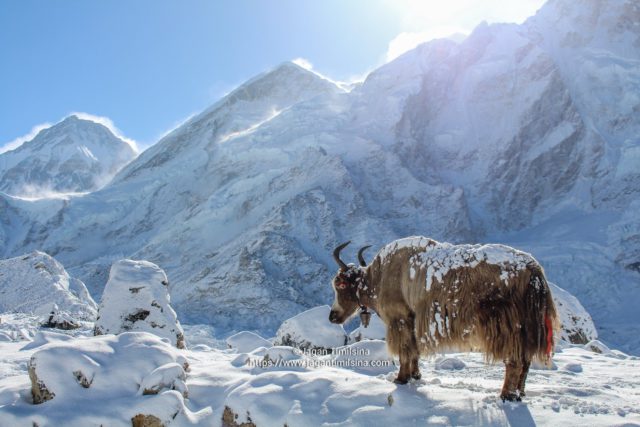
For the 10th straight day, there were summits on Mt. Everest. It all began on 13 May when the Sherpa rope fixing team summited from Nepal, then on the next day the ropes were fixed on the Tibet side. With the door wide open, teams took advantage of an advantage streak of suitable weather. I’m Melting And even today, 23 May, there were more summits on Everest but climbing in late May has serious concern as it is warm. Sangeeta S Bahl told me about her trip through the Icefall on 22 May after summiting the previous day, “But coming down yesterday there were rivers flowing. Very soggy n slippery. I took that extra one hour to come down in one piece” This is par for the course in late May. Global Rescue who runs perhaps the largest rescue service on Everest has staff positioned all across Nepal during the peak climbing season. Ann Shannon, Manager, Public Relations, sent me this video of a major avalanche that hit the upper part of the Khumbu Icefall Wednesday afternoon. No injuries were reported. This is the main reason people avoid being anywhere near the Icefall in the heat of the afternoon. Nepal Summits Summit Climb got their team to the summit early Wednesday morning. They have not specified how many members and Sherpas summited. A Nepali Female Journalists team also summited Calling themselves “First Women Journalists Everest Expedition 2018″ , Rosha Basnet of Rastriya Samachar Samiti, Kalpana Maharjan of Mega Television , Rojita Buddhacharya of Nepal Television and Deuralee Chamling, a freelancer, summited guided by Phurba Tenjing Sherpa of Dreamers’ Destination. “Long Line” Rescue If you ever wonder how someone is rescued from high on the mountain, this video shows the ride. If possible the helicopter will land and the individual will be place, or climb in on their own, into the helicopter. Often the chopper is stripped of all excess gear and the seats, except for the pilot’s, to reduce the weight. They land as high as Camp 2 at 21,000’/6400m on the Nepal side, however at times they lower a long cable and the ground crew attaches it to a stretcher holding the injured person, then they fly lower. This is a video posted by EverestEr showing a “long line rescue” from near Camp 3 around 23,500’/7162m by pilot Maurizio Folini and Lakpa Norbu Sherpa, a longline rescue specialist. Can you imagine taking this ride? Follow-up on Damai Sarki Sherpa Montagna.tv has a good piece on the tragic death of Damai Sarki Sherpa who fell into a crevasse near C2 while helping a member reach a helicopter for an evacuation. It appears the helicopter otter touched down on a open crevasse that was difficult to see. 3 8000ers in a single season Along with Mingma G Sherpa, 28 year-old Nima Jangmu Sherpa, 28, summited Kanchenjunga 23 May, 2018 to establish a record of summiting three 8000 meter peaks in a single season. She did Everest, Lhotse and Kanchenjunga in 25 days. Elisabeth Revol climbed Broad Peak, Gasherbrum I and Gasherbrum II in 2008, within 16 days, without O-s or sherpa support, Who’s Left? Well, its still not over. I’ve confirmed that Rupert Jones Warner is in Tibet for his double Everest attempt. He summited from Nepal on 17 May. He may have already summited, or at least made an attempt, if not then they may be alone on that side. Unclear on the status of Horia Colibasanu and Peter Hámor on the Nepal side hoping to summit via the West Ridge then traverse to Lhotse. No current updates from them. UPDATE: They have cancelled due to conditions. And finally, Tenji Sherpa and Jon Griffiths, should be at C2 today, Wednesday in Nepal. Look for their live stream of Everest/Lhotse on the Nat Geo Facebook page. As I’ve said many times, it’s not over until its over! Finally super photo by Jagan Timilsina ! Climb On! Alan Memories are Everything
Everest 2018: Summit Wave 9 Recap – More Sherpa Deaths with Summits

Two more Sherpas died increasing the total to five Everest deaths and one on Lhotse this season. Again these tragedies cast a pale over the amazing weather for #Everest2018. Several of the few teams left summited on the Nepal side in what is being called “perfect weather.” The summits Tuesday morning 22 May marks the 10th straight day of summits. Three of the oldest Everest guide companies summited this morning, Alpine Ascents International (AAI) and International Mountain Guides(IMG) on the Nepal side and Altitude Junkies from Tibet. They selected a strategy of summiting near the end of the weather window thus basically had the normal routes all to themselves. Two Sherpa Die On the Tibet side, working for 7 Summits Club, Pasang Norbu Sherpa (41) from Khari Khola in Solukhumbu died at 28,051’/8550m, site of the high camp . He was on their summit push and was found later by other Sherpas, lifeless on May 18 according to this source. There is no mention of his passing on the 7 Summits Club site where they cite their 100% success with no injuries or frostbite. The article also mentions Seven Summit Adventure as the expedition organizer. On the Nepal side, freak accident happened when IFMGA guide Damai Sarki Sherpa of Kharikhola of Solukhumbu district died after falling into crevasse on the 21 May. It’s reported he was assisting a member to a helicopter for evacuation when the incident occurred. Other Sherpas pulled him out of the crevasse and he was flown to Namche Bazar where he died from his injuries. He was working for Himalayan Ascent and Seven Summit Treks. source These 2018 deaths bring the sad total to five on Everest and one on Lhotse. Overall 293 people (175 members and 118 Sherpas) have died on Everest from 1921 to 2018. A median of 4 people have died each year on Everest since it was first attempted in 1921. Focusing on modern times from 2000 to 2018 deaths have increased to 6 annual deaths, heavily driven by the 28 Sherpa deaths on the South side in 2014 and 2015 from the serac release onto the Icefall and the earthquake. Looking at death rates from 1900 to 2017, they were about the same for both members and hired, 1.18 and 1.9 respectively. But when commercialization began in earnest on Everest in the early 1990’s the member death rate shot up to 2.09. In the modern era of commercialization, death rates for members and hired have lowed to 1.04 and .64. The last year with no deaths with in 1981. There was also a death on Shishapangma and Makalu this season in addition to one on Nanga Parbat over the winter. See this post with more analysis of summits and deaths. Nepal – 30+ summits Alpine Ascents: 3 guides, 8 members, 8 Sherpas- names on the link. Ben Jones added this comment once they were back at the South Col, “We had perfect weather, only one other team on the route ahead of us and the summit to ourselves, that all made up for being the best of my five times to the top.” IMG finished up their 20-18 season with their last team on Everest summiting between 5 and 6:30 am, 5 members with 7 Sherpas summit from the Nepal side and one members and Sherpa on Lhotse. Tibet – Summits 16+ Looks like Altitude Junkies also summited this morning but no details on names or size of team, etc. Other than Rupert Jones Warner, there may be no one left on the Tibet side but I’ve learned over the years to never say never about anything that has do with Everest! Oxygen Update If there has been one serious flaw to this season, its been the failure of Summit Oxygen’s (SO) regulators. These teams have experienced issues: Furtenbach, Alpenglow, Madison Mountaineering, Adventure Consultants, Kenton Cool. All except for Alpenglow were able to use spares to save their summits and Alpenglow had to end their entire expedition for their regular team but a small, highly experienced team, made a successful second effort. Neil Greenwood, principle for SO is now in Kathmandu and made this statement: “Failed regulators are being collected in the next two weeks as they return to Kathmandu and will be shipped to a laboratory for testing. Work has started to enable us to reproduce the failure. To this end we are looking to make the environmental chamber conditions as representative of the conditions experienced by the expeditions, for example high humidity, and the circumstances surrounding the events. I have travelled to Nepal to capture as much data as possible from the teams as they return to aid this process. More detailed tests that isolate individual parts of the regulator are being designed to enable us to see if there are any issues that could be behind the relief valve opening. The aim is to clearly identify and understand what has happened, improve the testing regime and introduce a robust technical fix, which can be thoroughly stress tested before used again in the field next season.” Who’s Left? Looks like Summit Climb will be one of the, if not the last commercial team on the Nepal side to go for the summit on Wednesday morning 23 May. This will be Summit Wave 10. Rupert Jones Warner was last reported traveling to the Tibet side a few days ago for his double Everest attempt. He summited from Nepal on 17 May. Unclear if he is still climbing. Horia Colibasanu and Peter Hámor are on the Nepal side hoping to summit via the West Ridge then traverse to Lhotse. They are concerned about the incoming weather since they need several days. Not looking good for their effort as we near the end of the season. Weather is expected to pickup on 25 May. Their last update on their plans was 18 May saying they were at Camp 2. Live Stream Tenji Sherpa and Jon Griffiths, provided a video update on their plans to summit Everest by the normal, Southeast Ridge route, then return to the
Everest 2018: Summit Wave 8 – Recap, Hillary Step Photo – Update 2
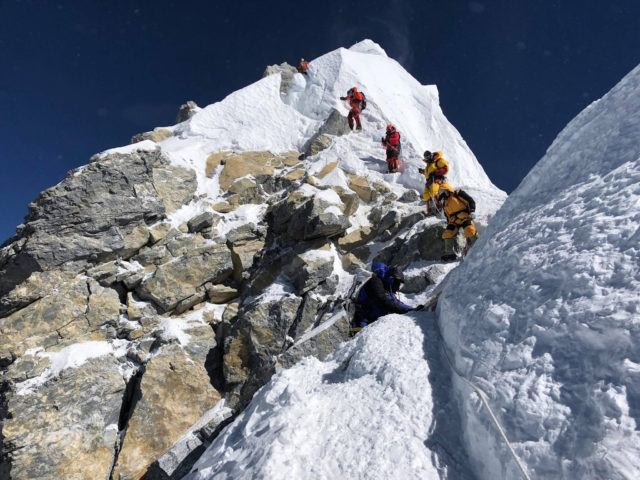
Update 2: Teams are near the summit in what is reported as excellent conditions Alpine Ascents: 3 guides, 8 members, 8 Sherpas- names on the link. Hello everyone, team reported that the entire team is standing on the summit of Everest, as ben mention it was a great summit day not to many peoples, no wind and sunny. Team starting to summit from 6:27 till 7:28 they are going to take photos and starting to decent to south cool soon. Thank you for staying with us. Will be updating from camp for tonight. IMG had 5 members with 7 Sherpas summit from the Nepal side Summit Climb Not sure how I can say this differently than I have for the last eight days, but yet another good day on Everest – with over 40 summits combined both sides. But all of the joy is muted with the death of Japanese climber Nobukazu Kuriki who was descending from Camp 3 on the Nepal side and died. He had been suffering from a high fever and cough all season long. Here is the full report with as much as we know. Nepal Moinz/Benegas summited Lhotse a day after getting Everest. This is the 4th 8000er for Matt: Cho Oyu, Makalu, Everest and Lhotse. Seven Summits Treks had one of their three VVIP members who paid $130K summit: This morning one of our VIP member Mr. Li Jianhong climbed Mt. Everest along with two more Chinese members Mr. Lyu Jun and Ms. Qu Jiaojiao between 5:30 to 5:50 AM. Ms. Qu Jiaojiao also climbed Lhotse on 20 May together with Jian Chang (China). IMG reports they had 10 members and 13 Sherpas support staff on the summit. Mountain Professionals had four members and 4 Sherpas on top. Tibet Lukas Furtenbach of Furtenbach Adventures is beaming with pride and joy as he shouts to the world that he was right about acclimatizing at home before an 8,000-meter climb. He joins Alpenglow, and several other climbers on different team in summiting is a relatively short period of time. In all cases they were using supplemental oxygen with flow rates from 4 liters per minute and above. Lukas markets his “flash” climbs with special oxygen mask running at 8 lpm, unlimited oxygen and 2:1 Sherpa to member support. I had to abbreviate his long Facebook post as well as a press release he sent out, but you get the idea. Lucas shouted from the mountain: Hello world! 100% & 100%, Flash expedition opening new doors … May 21st 2018 was their day. 17 days after entering Tibet and 21 days after leaving their homes. Perfect weather and almost no wind on the summit at 6:30 Nepali time…. our outstanding Sherpapower team (2:1), some of them summiting the second time within 5 days … So maybe the history of commercial, guided Everest expeditions has to be rewritten? At least a new climbing style was established to the Everest guiding community. Finally, after almost 40 years of standstill without any significant innovation. This is the first time that a whole guided team summited Mount Everest in such a short time (21 days from home) with the help of an acclimatizing program at home. This comes with an increase of safety and a 100% success rate. Not to forget that our Flash members are no professional athletes, they are dentists, consultants or entrepreneurs … Thank you to all climbing community for all the criticism and skepticism, it kept pushing motivation to move on with this idea. Lukas added a few more details with a message to me today that he felt his 21 day trip was unique and not comparable to anything else anyone had ever done. That he had “real” members. And “members started to use O2 individually in different altitudes – 6600 -8000, one member started only at 8000m. the 8l/min were not used and are only for emergency situations. On summit day all were climbing between 3-6l/min,” Congratulation to Lucas on his victory. They had one guide, four members and 8 Sherpas summit. Hillary Step HAS CHANGED: The Hillary Stairs? Mike Hamill sent me this photo of the Hillary Step taken by guide Casey Grom. It is more like stairs now than an off-width crack. The Hillary Staircase? Click on the image and zoom in for a close inspection. See this recent post where I discussed the controvesery where guides said it had changed but the Nepal Ministry said it was just snow covered. One of the reasons I wanted to get this photo was to show the silliness of the Nepal Ministry of Tourism telling climbers and guides this year, 2018, that they were “not allowed to talk about the Hillary Step.” Once again, not sure of their motive as mountains change all the time. While this is an iconic part of an historic route, being transparent about the change only enhances their credibility, otherwise they will continue to struggle to get rules through that will increase safety, reduce crowds and deaths. And the tradition photo before 2015: Wave 9 for Tuesday morning 22 May Alpine Ascents, IMG, and Summit Climb are climbing now on the south side and Altitude Junkies is one one only teams left on the North side. Its good that most teams have compiled their climbs as a typhoon is developing near the Bay of Bengal. The center for forecasting them predicts a full-on storm in 24 hours. While it won’t hit Everest directly, it will influence the jet stream and perhaps bring winds back to the summit. Well done to all thus far. Climb On! Alan Memories are Everything
Everest 2018: Dead on Everest Japanese Alpinist Nobukazu Kuriki
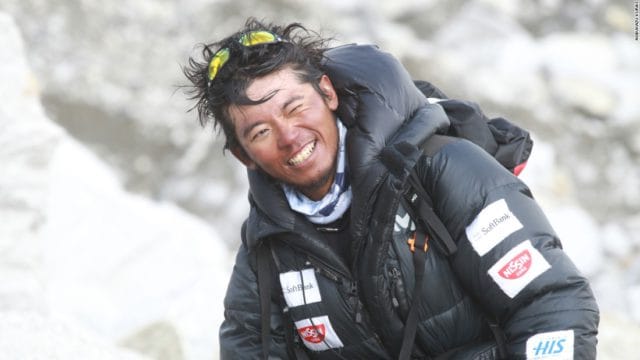
Stunning news that Japanese climber Nobukazu Kuriki was found dead at Camp 2 on the Nepal side of Everest on the Standard route. The Himalayan Times reports that Sherpas found him at C2. I had just reported that he was feeling better after a cough and was prepared to go higher on an unspecified route. He had struggled in 2018 with a high fever and a cough. Personally, I am shocked as I always found his climbs inspirational. Update: Its now being reported that he reached C3 on the Lhotse Face and began to have problems with coughing and pain. Intermittent radio contact prevented searchers from finding him and he was missing around 11:30 pm. His body was finally found above Camp 2 in the morning. A Unique Style Kuriki-san was an alpinist purist – always alone, no supplemental oxygen and in the off seasons. He set a standard for his climbs that seemed impossible even for himself. Only a few teams attempt Everest in the autumn season each year due to shortening, cold days and the quickly approaching winter snows. But his determination and commitment was impressive regardless of the results. Climbing alone was his “style” of climbing. He had solo climbs of McKinley (2004), Aconcagua, Elbrus, Kilimanjaro all in 2005 and Carstensz Pyramid in 2006. A Strong Determination This was his eighth attempt on Everest and 13th on an 8000 meter peak, all without supplemental oxygen. Kuriji-san had become a legend in Japan with his Everest attempts and going so far as to lose his fingers to frostbite. He dreamed of summiting Everest in the autumn – rarely accomplished by any climber – in his unique style of strictly alone and without supplemental oxygen. This was his dream and he never let it go. Cho Oyu 8188m, age 24 summited on August 5, 2007 Manaslu 8153m, age 26 reached 8125m, Dhaulagiri, 81657m, age 26 summited on May 18, 2009 Everest, 8805m. age 27, stopped by weather September 9, 2009 Annapurna, 8091m. age 27, aborted at high camp with frostbite May 23, 2010 Everest, 8805m. age 28, stopped by weather January 10, 2010 Everest, 8805m. age 29, stopped by weather March 10, 2011 Everest, 8805m. age 30, frostbite October 18, 2012 Everest, 8805m. age 33, stopped by weather October 10, 2015 Everest, 8805m. age 34, stopped by avalanches , poor snow conditions, July 10, 2016 Annapurna, 8091m. age 33, aborted at high camp with bad climbing conditions October 5, 2016 Everest, 8805m. age 34, stopped by weather, May 23, 2017 Everest, 8805m. age 35, May 20, 2018 Japanese Pride Nobukazu Kuriki was quite the showman with videos produced during his climbs and slide shows after. He was a popular public speaker in Japan. His followers measured in the millions but even with that he had to hustle each year to find sponsors for his next climb. Kuriki on Everest His previous attempts have been met with drama and injury. In 2012 he attempted the West Ridge and had to be rescued by a Sherpa team. He lost nine fingers on on that thwarted attempt. In 2015, he reached a bit above the South Col before deep snow forced him to stop.nIn autumn 2016 from the Tibet side, he planned on the North Face then to the Hornbein Couloir but was turned back by poor conditions. He usually brought a large film crew along to document his experience, primarily for the Japanese market. They usually post excellent photos of his experience on his social media.Kuriki’s team posted this amazing video on him somewhere on the North Face – beyond amazing!!! He regularly posted on Facebook, Twitter (JP) and his website Thank you Kuriki-san for your courage, vision, determination and strength. Your showmanship to share your dreams brought millions into a word they otherwise would have missed. Thank you for being a true alpinist. Rest in peace in your mountains. Climb On! Alan Memories are Everything
Everest 2018: Summit Wave 8 – Winds Picking Up
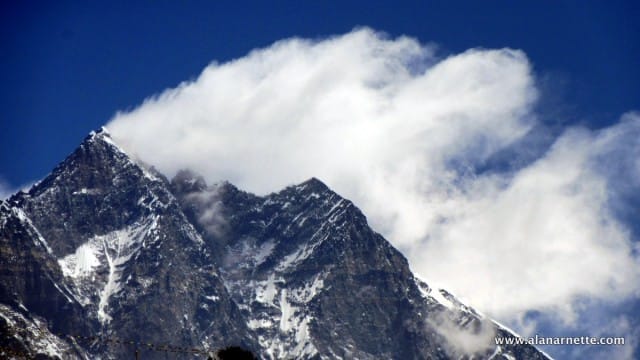
As I posted a few hours ago, there are several teams moving to the summit of Everest both on the Tibet and the Nepal sides. Also to Lhotse. Reports are now coming in of strong wind gusts. I asked Chris Tomer of Tomer Weather Solutions for his view on what was happening: Doesn’t look jet related to me so the gusts will pass. Could be a 3 to 6 hour spike. Then much lighter into Tuesday. My best guess is some spin in the middle of the atmosphere. In more general terms, the best summit window of the season is winding down. If the summit door was wide open last week then it’s starting to slowly close. Monday 21 May – Summit Wave 8 These are some of the teams up there right now: Nepal IMG Classic Team Asian Trekking Alpine Ascents Int. Summit Climb Moinz/Benegas going for Lhotse Tibet Furtenbach Adventures Climb On! Alan Memories are Everything