Everest 2017: Weekend Update April 30
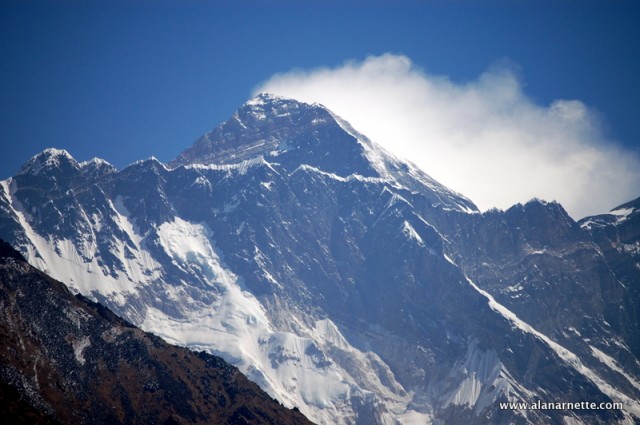
Breaking Sunday 30 April: Ueli Steck dies on Nuptse acclimatising for Everest-Lhotse traverse Posted on Saturday 29 April: It has been another good week on both sides for Everest. The emerging headlines for Everest 2017 can be summed up in one word: wind. As I will develop in this update, the winds across the Himalaya this spring are making progress towards the summits from Everest to Dhaulagiri challenging. There are a few stories that are capturing my attention: Climbers discussing why they are climbing, others with big goals acknowledging the risks, and the ones who perhaps should not be there at all. But again, the word of the day is : wind! This post today from IMG Climber James Brooman captures it all: Overall the season continues in good form, in spite of these winds. There are a few delays and we will have to wait to see how the next week unfolds with respect to how the winds impact the ropes getting fixed to the summit. Coughs, Sprains and Diarrhea Let’s start with a report from EverestER, the volunteer medical clinic on the Nepal side. Looks to be busy, in other words… “normal”: Busy Busy! We have seen well over 200 patients so far, 130 of those have been Nepali. We have sent 8 patients down for further care by helicopter plus a number who have walked down for faster recovery (these walking patients mostly suffering from lower respiratory infections.) The most frequent visits have been for respiratory issues (viral infections, sore throats, pneumonia.) We are seeing increasing numbers of high altitude cough since the climbers are climbing and sleeping higher now. Most recently evacuations have included patients with icefall trauma, suspected intestinal bleeding, high altitude pulmonary edema. We’ve been called for home/tent visits for patients with back pain and a few with severe diarrhea and dehydration. There have been several injuries from broken wrists, to fractured ankles to broken legs. Most of these from slipping or falling on slick surfaces – not from avalanches or serac releases. This is part of climbing Everest and not all that unusual. As I well know, accidents do happen in the mountains! 🙂 South Side Winds The winds are stalling some teams. It is smart to hold up and not put yourself in harsh environments when you know the forecast. These high winds seem to have been forecasted by the services thus far. There is stratification of winds based on altitude – normal – so it is common to have no winds at base camp, mild winds at C2 and gusting to 70 mph at C3, only 2,000 feet higher. I got caught in this kind of scenario in 2011 making for an extremely uncomfortable night for Kami and I. Jim Davidson, climbing with an IMG Sherpa, posted on his blog on 17 April: The wind is ripping across the Himalayas today. Winds tearing through south side Everest basecamp with gusts at 20 to 50 mph for 2 days. april 17. And yesterday, Friday 28 April, Jim posted on Facebook about their delay to start a rotation to Camp 3: UPDATE : Winds up high expected to be 50 to 60 knots by time we get there. So, for safety sake our departure is now DELAYED. Standing by in basecamp to see what weather does. Tough to take, but it’s part of the high altitude climbing world. Thanks everyone. Jim also did a live interview from Everest Base Camp with Chris Tomer of KDVR. Take a listen, it’s a good piece: No O’s A fun blog to follow is that of James Brooman with IMG. He is climbing without supplemental oxygen which is a bit unusual for a member of a commercial team. I have been reading his blogs and am extremely impressed with his strength. He is climbing at “Sherpa Speed”, similar to David Tait with the Himex team. James posted on his climb from C2 to C3, that took a swift 2:45. It was awkward climbing but we made steady, uncomfortable progress to lower Camp 3 at 7,000m / 21,000ft. A group of our team’s Sherpa were carrying loads to our camp, and we climbed alongside them, almost maintaining their speed! We reached lower Camp 3 in 2h 45 mins. I felt happy with that effort as another team (carrying tents etc I will admit) took 10+ hours to reach that spot the previous day. It gave me a positive benchmark of my abilities for the first time, and left me optimistic. Some of the Sherpa even nicknamed me ‘Khumbu Dorje’ – translated as ‘Khumbu Strong!’ That was a genuine honor!! In any event, James’s blog is the Blog of the Day for his recent Q&A about his attempt. Well done, candid, confident with a bit of humility, which I always admire. Here is an excerpt on if he will have oxygen with him, just in case: Definitely. Plus a mask and all I need to get me back down with it. Also emergency medicines, color coded so we don’t mess up when we are hypoxic. I also carry a radio so we are in permanent contact with base camp (and we check in during each climb). So there are multiple safety nets. Climbing with a Purpose Speaking of David Tait, he is one of the few members, aka members, aka foreigners to reach C3 this year. In his usual eloquent style, David writes about climb and fighting the harsh 2017 winds. He also touches on his reason for climbing – child abuse of which David was a victim. This post is a must read this weekend. An except: The winds were brutal and attacked me from my left. I tried covering my ears and face, but despite my best efforts the blow-torch burn of intense cold penetrated the smallest of gaps, apparently leaving me with a touch of “frost-nip” on my cheekbone. The skin has gone an attractive deathly white colour in a precise strip where the blowtorch cold gained access. This delightful new look will test even Vanessa’s love! and … I went through
Everest 2017: The ‘other’ Himalayan Mountains Update

While many people focus on Everest, which is proceeding with a no-drama, normal season, there is significant activity on many of the other 8000 meter mountains across the Himalaya. However, like Everest, high winds is really the headline thus far this season. Let’s do a quick run down of the activity. Keep in mind that many of the climbs are private and do not provide much information during the climb so information is sketchy at best. Cho Oyu The plans for a new Cho Oyu route by Louis Rousseau, Adam Bielecki, Rick Allen and Felix Berg was stopped by Chinese politics so they switched to Annapurna. Louis Rousseau explains that having previously visited Pakistan was a show stopper for the Chinese: Everybody agrees that our adventure started badly … a bit disastrous as a start: finalizing luggage in a whirlwind of professional and family commitments, missed flights for two of the Four guys, misplaced luggage that contained a lot of essential materials to climb and, to make matters worse, the ban by the Chinese authorities to let us enter Tibet because of the Pakistan visas in one of the passports. Our dream expedition to the highest country in the world ended before we even started. Our goal for Spring 2017 was to open a new lane on the almost unexplored north face of Cho Oyu, but a few days before we arrived in Kathmandu, Chinese authorities adopted new rules prohibiting entry to Tibet for travelers with visas Pakistanis in their passports. As climbers, we have the four already traveled to Pakistan before. Louis had even 5 Pakistani visas in his old passport but fortunately had recently renewed his passport. Rick also had a Pakistan visa for his legendary ascent of the Mazeno Ridge of Nanga Parbat in 2012, but this was apparently not new enough to cause trouble. Felix also obtained a Pakistani visa recently following his attempts in 2016 on The Mustagh Tower. However, all is not lost at Cho Oyu, Adventure Peaks’ commercial team reports being the only team currently at Chinese Base Camp. Shishapangma Plans to climb the South Face on Shishapangma by David Gottler and Herve Barmasse had been stalled by Chinese politics but they are finally on their way to base camp. They might not have a problem with timing since they have spent a lot of time in Nepal acclimating on 7000 meter peaks. Kangchenjunga The world’s third highest peak has been hit by high winds, stalling a lot of progress including that by Simone Moro and Tamara Lunger who want to try a new route following the ridge lines on Kangchenjunga. But they have reached camp 1,about 6100 meters, and on to Camp 2, close enough, at 6300 meters A small team of Matt Du Puy, Chris Burke, Chris Warner, Lakpa Sherpa and Tshering Sherpa are also fighting the winds but did complete their first rotation. Matt posted: My small group (Chris, Chris, Lakpa, Tsering and I) made a short rotation up to camp 2-ish a few days ago. We carried a bunch of rope and pickets to the temporary C2 but are hoping to move that camp up a bit higher to avoid having a 1000m climbing day from C2 to C3 at 7,100m. One thousand vertical meters may not seem like a big climb if you were in our local Rockies or Sierra Nevada but at 7000m we’re breathing half the oxygen you’d get and with enough gear on our backs, this turns in to an 8-9 hour slog. We’re primed to go to and set up C3 on our next rotation when the winds allow, though. The winding route through the icefalls looks fairly straight forward from below at C2 but if conditions allow it, we’ll try to put up a drone to get a bird’s eye view and spot potential snow bridge and crevasse hazards. Famed Italian climber and heli pilot Simone Morro tried to fly a B3 up near camp 2 to take pictures to plan a route by but couldn’t safely get high enough above the possible route. Not all of us are wealthy enough to have our own helicopters (yet). It is a treat to share coffee and stories with such a famous climber and someone who was close to Anatoli B. Seven Summits Treks has a large team on Kang including the three Sherpani who summited K2 together in 2014. Maya Sherpa, Dawa Yangzum Sherpa and Pasang Lhamu Sherpa Akita posted this great picture of them at Kanchenjunga base camp. Dhaulagiri Dhaulagiri has the most climbers outside of Everest/Lhotse this spring. There are over 60 people there. Dreamer’s Destination has a small team there. Adventure Consultant’s Guy Cotter is leading a climb on Dhaulagiri and notes they just had their Puja and are ready to begin climbing. 78 year-old Carlos Soria attempting his 13th 8000er. He reports a night at Camp 1 and tagged 6200 meters. Annapurna Annapurna is playing tough this year with avalanches and large crevasses. Spaniards Alberto Zerain and Jonatan Garcia gave up on the Dutch route and joined other teams on the French route. Italian couple Nives Meroi and Romano Benet are still acclimatizing on nearby peaks to looking to Annapurna. Looking for a swift alpine climb in May. Returning to Louis Rousseau on why they ended up on Annapurna, he explains it quite well: The next night we sat in the hotel garden with our laptops looking for a new line that would inspire us. Dhaulagiri? Rick had already climbed a new path in 1993 with a Russian team; Makalu? Adam had climbed it in 2011; Lhotse or Everest? too much people; Manaslu? Possibly a potential for a new path; Annapurna? There were known statistics on the rates of death and accidents on this mountain. The Annapurna remains the most dangerous of the 8000 m. But what about the northwest face of this mountain: a steep slope, a mix of ice, snow and rocks, but a relatively safe slope. It was she; This famous mountain, the first 8000m climbed that inspired a new generation of climbers to explore. The evening s’ Is finished with
Everest 2017: 1st Acclimitization Completed
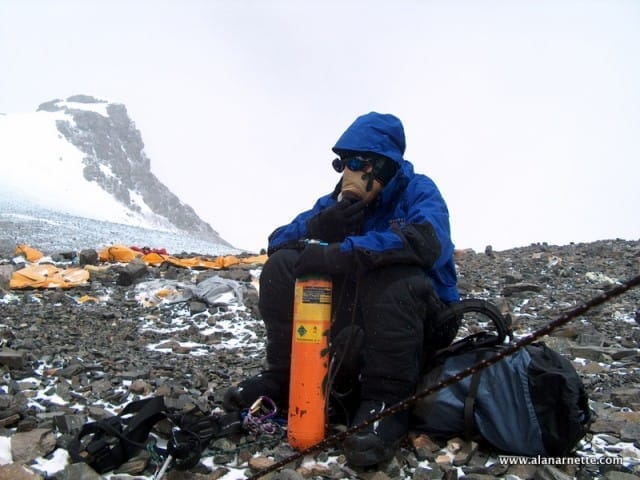
The first round of acclimatization rotations are mostly completed on both sides of Everest. Not be be repetitive, but this season continues to be “normal”. A few teams are just starting their rotations, so the mountain is very busy. A spat of high winds created havoc for some, but again most teams worked their way thru it. While still a bit windy today, the weather appears to be decent for the next week or so. “Normal” When I say normal, especially in quotes, I mean there have been no major natural events like avalanches, earthquakes or unusual weather. There have been no reports of conflict on the routes. By normal, I do mean that people are getting sick, injured, quitting and giving up. They are bored, discouraged and disappointed. They realize that they didn’t train hard enough, or went with the wrong team. They miss home. By normal, I mean they are stunned by the incredible beauty of seeing the North Face of Everest or winding their way through the Icefall. Seeing the summit of Everest for the first time from Camp 2, takes their breath away. They laugh easily over dinner. They are making lifelong friends. They wake up to the sounds of prayer flags flapping in the breeze. The frost on their tent reminds them of what they are doing and where they are. Yes, normal has many definitions just as each person’s experience is uniquely personal. And each person will have so much to say when they get home. For some, the experience is illuminating. Wendy Gustin made this post recently: I absolutely LOVED going thru the ice fall on the way to camp 1. It’s like a great big obstacle course for climbers. There are vertical walls to conquer using an ascender and digging in with crampons, large crevices with ladders laying horizontally across to scamper over and vertical ladders to climb- sometimes several of them roped together in order to reach the right height. I wish I had more photos of the ice fall to share, but it’s very important to stay fully focused on each and every step. For others, it can be trying. George Kashough made this post along with a video on his Facebook page that you should see I’m back in base camp! In a nut shell I got to IBC and felt great. Once at ABC @21k I felt terrible and had some altitude sickness. Last year I never got sick in regards with altitude so I think it was a mistake to gain weight for this trip and should have just done what worked last year. Either way I eventually recovered and am back on track. Here’s a video I took half way up the North Col. Nepal Climbers to Camp 2 On the south side, multiple teams have spent several nights at Camp 2 around 21,300 feet or 6500 meters. They are back at Everest Base Camp now to rest, eat, drink and let the body work on the acclimatization process. Their next trip up will be to either tag Camp 3 at 23,000 feet or 7000 meters or to spend one incredibly miserable night there. But as I was once told, this is your ticket to attempt the summit. This animation I created a few years ago shows the most conservative program of acclimatizing on the south side, Today, most teams will eliminate a couple of these rotations. But it is good to get a visualization of the process Tibet Climbers to North Col On the north side, climbers have spent or tagged the North Col at 23,000 feet or 7000 meters. Many climbers have spent a night or two at Interim Camp and then on to Advanced Base Camp. ABC serves as the main base for many in their acclimatization process but some teams return all the way to Chinese Base Camp and even go down to the local Tibetan village for R&R. One major difference between the north and south is that the camps are much higher on the north, so by spending a few nights at the North Col, it is the same as Camp 3 on the south. This is good news/bad news in that the body is pushed harder to adapt to the thin air, but also, the body is pushed harder to adapt to the thin air – quicker. Overall, the high camps are mostly viewed as a benefit by most. Arnold Coster, now at ABC, posted their process: 24 April we left BC after breakfast for a 4-5 hour walk to interim camp at 5800m. We always split the 22km walk with 1200m elevation gain up the first time up, therefore we use this interim camp. The trail is very gradually in the beginning, until we reach the glacier moraine. Then the trail has lots of ups and downs, before it reaches interim camps. The yaks joined us carrying food, fuel and some member equipment to make our walk easier. The next day we woke up early for the next stretch to ABC. A long walk along the ice pinnacles of the eastern rongbuk glacier. By 2pm the whole team was in camp, beaten up by the altitude and wind, but satisfied! The next days we take it easy, so our bodies can adjust to the altitude jump. So we are all doing fine, until next dispatch! For the north side. this is another animation I created a few years ago shows the most conservative program of acclimatizing. Similar to the south animation, today, most teams will eliminate a couple of these rotations. But it is good to get a visualization of the process Acclimatization This is a strange word that evokes a lot of emotions from many people. Basically it means putting your body where it was not designed to be 🙂 You are asking it to adapt to the new environment thru a complex series of chemical changes throughout the body include changing the PH of the blood, the amount of
Everest 2017: Climbing and Remembering
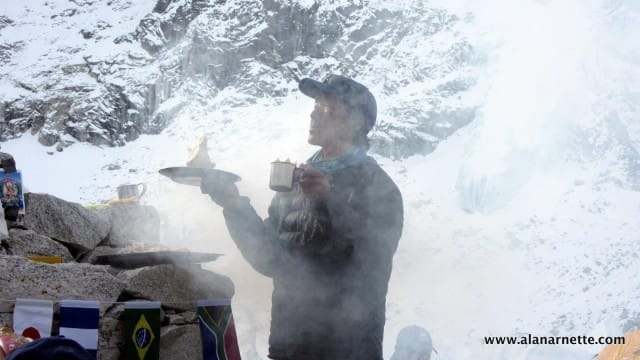
We enter the last week of April in a somewhat somber mood. Teams on both sides are spread from base camps up to the low and mid high camps working on their acclimatization programs but fighting high winds. The season continues to be “normal”. Remembering April brings two days where the Everest community pauses to remember. On April 18th, 2014, 16 sherpas were killed in the single most deadly incident in Everest’s history up to that time. The deaths came when a well-known ice serac hanging off the West Shoulder of Everest released at 6:30am just as droves of sherpas were carrying loads into the Western Cwm from Everest Base Camp. They were delayed after a ladder crossing a crevasse was just repaired, but they were waiting underneath the hazard. When ice released from the hanging serac it was large, fast and deadly, they never had a chance. 13 bodies were recovered, multiple sherpas were rescued but three remain buried in the deep crevasses of the Khumbu Icefall. You can read about the tragedy and subsequent events that brought an early end to the 2014 season in my season wrap-up. Two years today, April 25th, 2015, a 7.8 magnitude earthquake occurred in Nepal taking 9,000 lives, including 18 at Everest Base Camp. Jim Davidson was at Camp 1 then. Today he made this this post from Everest Base Camp where he has returned to attempt the summit again: Exactly two years ago today, at 11:56 am on April 25, 2015, a massive earthquake slammed into the Himalayas. At Everest basecamp 22 people lost their lives due to a rock avalanche that came from the high ridge on the left of this photo. Across Nepal nearly 9,000 people perished. To honor and remember those lost, today at11:56 am at basecamp I burned incense here on our stone chorten, tossed sacred rice towards the prayer flags, and said prayers in English and Nepali. Om mani padme hum. At Camp 2 I was moving towards Camp 2 when the quake hit. I clearly remember being in a whiteout of low clouds when I heard an avalanche to my right off Nuptse, then seconds later another avalanche to my left off the West shoulder of Everest. Suddenly, I felt the ground drop a couple of inches and seconds later another drop. Instantly I knew it was an earthquake and my thoughts went to the scale of the event. When we reached Camp 2, the radio was alive with chatter. The first reports were that Base Camp had been “devastated”. When we heard that the quake had occurred near Kathmandu, 100 miles away, we knew it was a massive quake of apocalyptic scale. I gave my satellite phone to the Sherpas to try and call their families but the networks were down throughout the Khumbu. I sat in our dining tent listening to the radio activity. Western Guides and Sherpas bravely entered the Icefall to inspect the route. I knew it was dangerous when one said “Another aftershock, time to get out of here.” Efforts to inspect the damage from both ends of the Icefall were halted as the aftershocks became frequent and strong. 200 people, mostly Sherpas, were evacuated a couple days later from the Western Cwm. This is video I took while flying from the Cwm back to base camp. You see how deep the crevasses are as well as the center of base camp destroyed. The real tragedy on Everest occurred at base camp when the quake triggered an avalanche off the ridge between Pumori and Lintgren. It sped towards EBC with a velocity estimated at over 200 mph picking up boulders along the way. These became projectiles as the wave hit base camp, taking 18 lives that day. Marisa Eve Girawong, 28, our base camp Doctor was killed when she was picked up by the winds and thrown into the rocks. The carnage and destruction throughout Nepal was astounding. Many villages have not recovered, two years later. Much has been written about the relief efforts and still, much remains to be done. If you would like to help, my suggestion is to donate to the Dzi Foundation. They have worked in Nepal for years, are ethical and responsible. They employ many Nepalis in their work in the most remote villages. Sadly, these two events have defined much of what is written about Everest today. But it is not the mountain, it are the people of Nepal that remain resilient. In my Everest 2015 season summary I titled “Summit’s Don’t Matter“, I cover the tragedy. Fixed Line Progress The Sherpas and Tibetan Rope Fixers have made outstanding progress in getting the fixed rope set. On the south it is to the South Col and to 8300 meters, the High Camp (C3) on the north. Work has stopped for a couple of days due to high winds. This is excellent as it opens to door for all teams to fully acclimatize on their own schedules. Hopefully this will address some of the crowding concerns on both sides this busy season. Yak Attack (part 2) We have another disturbing : 😛 report of yaks attacking climbers! Last week I noted Andy Anderson‘s report of a run in as he was returning to base camp. Well we have another incident to report. George Kashouh’s posted a flock of yaks overran their camp, spearing a tent. One climbers narrowly missed becoming lunch for the herd! Yesterday while attempting to recover in my tent, we were violently attacked by an angry herd of yaks! One of my anchor points was destroyed but I’m ok. Ricky unfortunately had it worse – a horn punched through his tent. Aside from that I’m feeling much better. Did ice climbing today. Tomorrow we climb to 23k! Everest Going to the Dogs Speaking of pets (yeah, I think I could have a yak as a pet 😯 ) Dogs are quite common at base camp. I have even seen them go as far as Camp 2 on the south side. They cross the ladders with 4 Paw Drive and sometimes
Everest 2017: Weekend Update April 23
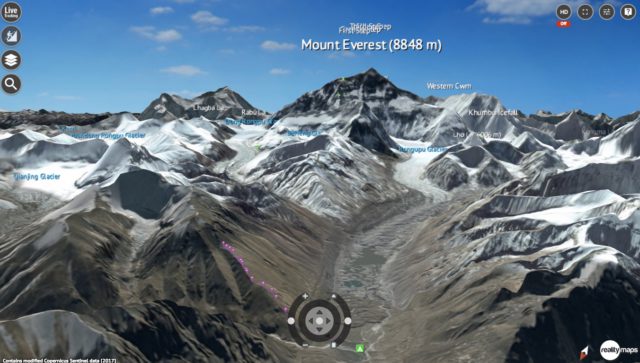
Another week is completed on Everest and the season has a normal, no drama feel to it – thankfully. The fixed ropes are all the way to the South Col and are above Advanced Base Camp on the north side. This is excellent on both sides! The weather turned a bit cloudy and snowy over the past few days. Look for the first summits, probably from the south side in early May by the Sherpa team setting the route. The north side rope fixers will be close. All schedules at this point depend on weather. The mountain conditions seem good thus far. Extraordinary Climbers Ueli Steck, attempting an Everest-Lhotse traverse starting from Camp 2 in the Western Cwm was sighted doing a solo reconnaissance climb to the West Ridge a couple of days ago. What most people call a climb of a lifetime is just an afternoon walk for Ueli! In that same spirit, speed climber, Kilian Jornet is reported to be headed to Cho Oyu for a “run” up to the summit as he gets ready for his speed attempt on the north side of Everest. And in the category of never give up, solo Japanese Nobukazu Kuriki climbing with no supplemental oxygen is at Base Camp on the north. This is his 6th attempt after trying five years in a row in the Autumn. Look for him to bring a massive amount of publicity with his huge Japanese following. He has lost nine fingers to frostbite in his previous attempts. Kuriki-san always does a great job of documenting his efforts and this recent video is no exception: Southeast Ridge Route Takes Shape On the Nepal side, the fixed ropes are already to the South Col. This is excellent as it will enable the Sherpas to begin ferrying loads of tents and fuel to the highest camp. This year there seems to be a lot of dual ropes on the Nepal route. There are double rope to Upper C3 on the Lhotse Face and new bolts at the yellow band to support a double rope there. Usually one rope will be designated as up and other for down. This is excellent as the large numbers will need unusual support this year. With suitable weather for summit days still weeks away, having the ropes this high should reduce crowds on the Lhotse Face as the Sherpas can spread their work out over many days. Talk is of ropes to the summit on the south by end of April. The combined Mountain Trip/Mountain Madness team posted guide Jacob Schmitz’s report: The Khumbu Icefall is in good shape, with two, 3-ladder sections going up vertical ice towers for added excitement. The route makes a huge zigzag as it ascends through the Icefall. first heading up next to Nuptse, before jogging across towards the West Shoulder of Mount Everest. This means that it takes quite a long time to climb through, compared to the other two years I have climbed up through it. Follow A Climb in 3D Jon Gupta just posted a pretty nice 3D tracker for he and Molly Hughes on the North side. It should be fun to follow their climb with the map as Mollie attempts to be the youngest Briton to summit from both sides. They will both be transmitting their location on the 3D map using GPS devices. Ending A Climb Every year on Everest, many people get injured (on both sides), sick or simply give up. It can be a shattering moment when the realization sinks in that your climb is over. Blake Penson, with Tim Mosedale, posted an outstanding writeup of his personal experience. It is the Blog of the Day. Refill your beverage and read the entire post. This is an excerpt: On the 19th, the day after the Icefall introduction and the day of the Puja blessing ceremony I woke up confident. The right ankle was getting better (as it should because there was no major trauma there, just lots of little tweaks). The left ankle was not hurting when I woke. The sun was shining, there was no wind, the day optimistically invited me out of my tent. I looked up the Icefall and told myself “Of course these injuries will mend and I can get climbing soon”, “Of course I will stand on top of this mountain”. I put my boots on and got out of the tent. Weight bearing on the right foot? OK. Now the left? EXPLODING PAIN. It could not hold any weight at all. Here we go again, the cycle continues. I hobble down towards the mess tent wincing and swearing with every step. Once inside, I fall into my seat. I get the usual question, “How is the foot?”, I have a nice collection of prepared responses for this point of the conversation. “Better”, “Worse”, “Getting there”, Thumbs Down Sign, but today I had a new one. Climbing Delay over Weekend Climbing stopped thru Khumbu Icefall Sunday April 23 due to route collapse. The Icefall Doctors repaired the incident and climbing resumed on Sunday. Adventure Consultants clarified the closure: Today fourteen of our Climbing Sherpas attempted to supply loads from BC-C2 but backed off after rumours of a collapse, that turned out to be only partially true- the route was still passable. The delay caused some teams to remain at Camps 1 or 2, taking an extra acclimatization night at altitude. Actually this is good in the big picture. Before global panic sets in that the Icefall is too dangerous this year and everyone should move en masse to the North side :), these incidents are quite common every year. Inexperience Reigns Yes, the Icefall can be a dangerous place as I covered in my full report a few weeks ago, and yes, the increased number of climbers in 2017 certainly increase the chance of “being in the wrong place at the wrong time”. And every person who is there from foreigners to Sherpas are extremely aware of the risk and made the choice to climb or work this season. The larger issue are all the marginally qualified climbers on both sides of
Everest 2017: Building the Climbing Route
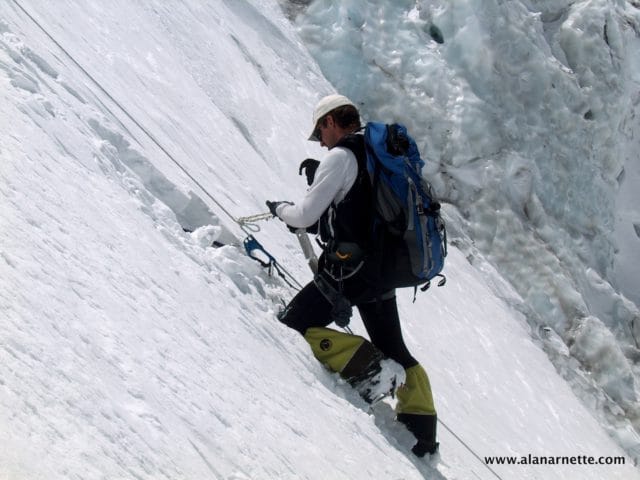
As we end the third week of April, teams are all over both sides of the mountain. They are doing their first acclimatization rotation primarily to the lowest of the camps above base camp. For most teams they will do at least one more of these rotations but to the next highest camp before they are ready for the summit pushes in mid May. But the key to it all is getting the route set. You read the term “fixing the route” and “fixed ropes” all the time so let’s take a moment while we wait for the climbers to return to base camp over the weekend to explore what these terms mean. Simply put, a thin nylon rope aka “fixed line” is anchored to the mountain side marking the path aka “route” climbers should take. The rope is about the thickness of your thumb and is attached to the climber’s harness using a carabiner and a jumar. To see how the rigging is set up, Tim Mosedale has a nice description on his site. While it may seem silly that mountain climbers need a rope to mark the trial, there’s more to it than marking the path. Who Does the Work? In general the route is set by dedicated teams of Sherpas on the Nepal side and Tibetans on the Tibet side. On the south side, the Icefall Doctors, a team of eight dedicated Sherpas install aka “fix” the route from Everest Base Camp to Camp 2 in the Western Cwm each year. They first scout the route for the safest and most direct path, then they carry on their backs hundreds of pounds of rope, ladders, ice screws and pickets into the Icefall and the Western Cwm to create the route. The ropes must be reset each season because the ultraviolet rays from the sun will rot the ropes causing them to fail under the weight of a climber’s fall. In addition, the route must be maintained daily through the season given the Icefall is a moving glacier and can move up to three feet a day. This movement will cause ladders to drop into crevasses, bend them or move them into a dangerous area. The Doctors inspect the route at least once a day throughout the season to keep it open and safe. From Camp 2 to the summit on the south side, a coalition of Sherpas from multiple commercial teams work together to set the route. This is more of tradition to have the commercial teams do this work but there are calls to have the Icefall Doctors assume responsibility from EBC to summit. Again, they carry ropes and the anchors on their backs and work together to fix the “fixed rope” aka safety lines to the mountain side. In 2017, a major change occurred when the Nepal government allowed the ropes and anchors to be helicoptered to Camp 2 thus saving an estimated 78 Sherpa loads thru the Icefall. This was a pure safety decision. On the Tibet side, a dedicated team of Tibetan climbers perform the same duties but they set the route from Advanced Base Camp to the summit and the commercial teams do not participate in the effort. The ladder at the 2nd Step, installed in 1975 is attached permanently but has been replaced a couple of times. On both sides the labor and material are funded thru climbing permits or collections from the teams. Why Fixed Ropes? In addition to marking the route, which is extremely useful in whiteout conditions, the fixed line also provides a safety net for a climber in the event of a fall. If the 1996 climbers had been able to follow the fixed rope to the South Col, many would have lived. The problem that is occurring in recent years is that the line can only support so much weight and it is common to have 30, 50 or even 100 people attached to the same rope. While, amazingly it has never happened, if the climbers were to fall together the lines would fail under the load. So in many high traffic areas, there are dual lines established, one for climbers ascending and one for descending climbers. In 2017, this dual route is established on the Lhotse Face. There are two routes on the Hillary Step but one is designed for climbers to rappel down, just off the Hillary Step proper, and onto an exposed ledge. It has not been used since it was established a few years ago as it requires skills most Everest climbers lack. But sometimes there is simply not enough room for dual ropes. Also, remember that it takes human effort to haul the gear high on the slopes and attach it to the mountain. The way the ropes is attached is by using ice screws, primarily in the Icefall or very icey areas but more often by driving an aluminum picket into the snowy mountain side and attaching the rope using another segment of rope. All in all this is very time consuming and it takes days to get the route set to the summit. That is why we rarely see summits in April as the Tibetans and Sherpas are busy establishing the route while the climbers are acclimatizing. Is this really necessary? Certainly Everest has been climbed successfully without the use of fixed ropes, but this has been by exceptionally skilled and experienced Alpinists like Reinhold Messner. Ueli Steck, attempting a traverse from Everest to Lhotse said he doesn’t need fixed ropes. In 2007, Conrad Anker climbed the 2nd Step on the North side without using the ladder as a test the see if it could be done. 2017 Update The IMG team reports excellent progress with the fixed lines already to Camp 3 and soon to the Geneva Spur. From here it’s a matter of a day or two to get to the South Col We received some great news from Camp 2 this afternoon; 14 members of the Sherpa Fixing Team left Camp 2 this morning and
Everest 2017: Is Everest a Garbage Dump?
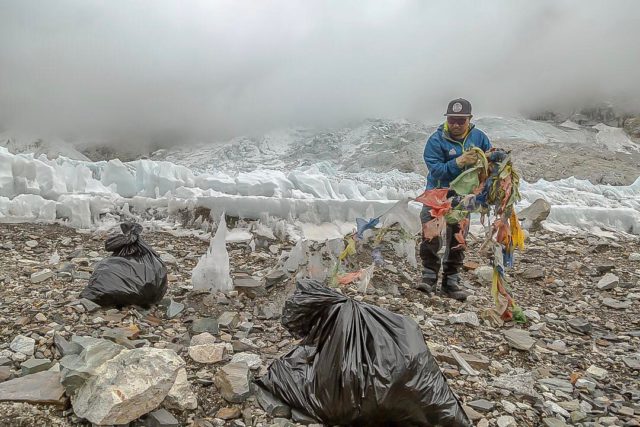
Everest is running at full throttle on both sides this week. Teams are climbing to Camp 2 on the South and ABC on the North. All is reported well, with decent weather. Snow is forecasted for the weekend so they may cut their rotations a bit short this time. Busy EBC EverestEr, the fully volunteer organization that provides medical care to climbers, Sherpas and Nepali on the south side is a bit busy thus far. If you have ever used their services, have a friend or family on Everest or just want to help this amazing organization, click this link to see how. They updated us with over 100 patients already seen this season: Base camp is growing by the day, and we’ve seen 101 patients in the clinic so far. As climbers advance to higher camps, we expect to see more. Holding with our experience (and mission!) 61 (60%) of our patients have been Nepali. Also as in past years, our most common presentations have been related to upper respiratory problems- viral respiratory infections, high altitude cough, sore throats. We saw one patient with snow blindness (it happens easily up here, especially after snow, when sunlight reflects from every direction.) Most of our community are adept at acclimatizing to altitude, but even so, we see the occasional new arrival and/or trekker who doesn’t quite keep up with the demands that hypoxia puts on the body. We’ve treated 2 cases of acute mountain sickness, 2 cases of high altitude pulmonary edema, and 1 case of high altitude cerebral edema. One patient was caught out on a very windy day and suffered superficial frostbite that is responding to treatment. We’ve had to urgently evacuate 4 patients to lower altitude and further care, and some have been able to get down to recover on their own. Sophie Wallace, the team Doc with Adventure Consultants gives us a look at the scale of their team: So our climbers left in the early hours of this morning to make it through the Khumbu icefall to camp 1. A pretty scary place so we were sleeping with our radios on waiting for news of their safe arrival. The weather is gorgeous again so today was laundry and shower day and then a few medical consults with some of our sherpa team. We are a team of 60 excluding me, with 42 Nepali team members consisting of 27 climbing Sherpas, 8 Basecamp cook and water guys and 7 camp 2 cook team members. I’ve had over 60 consults so far but all very manageable and everyone doing well. Yak Fights! Love this post from Andy Anderson on the North side about a run-in with a yak!! Successful overnight at 19k last night. We are still on track to leave for advanced basecamp (with a night at middle camp) on April 22. Coming from a relatively low state (like Iowa) has made acclimating to high elevations difficult. I (Andy) was sick as a dog the first two nights at basecamp (17k). Severe headache, vomiting, etc. No matter how good of shape you are in high elevation mountaineering demands a very slow acclimation pace – crazy slow! After returning to basecamp (17k) from our acclimating overnight to 19k we are both happy and healthy – no major issues. Acclimating is heading in the right direction.On our way down from our overnight trip, I was almost trampled by a yak – she had a twinkle in her eye. I was lucky this time. Below is not a picture of said yak (I was too busy diving out of the way), but you should be able to get a feel for how much one of those horns might hurt if properly placed. In all seriousness, yaks make the climb on the north side more comfortable for climbers and safer for porters/Sherpas. They haul ~90 pounds of gear from basecamp to advanced basecamp – a 30 mile round trip journey going from 17k to 21.5k. They usually make the trip over two-three days (just like climbers). Each yak costs about $300 for their service and a single yak driver is allowed to drive (at most) four yaks at a time. This is an important part of local yak drivers’ yearly income. Climb on, yaks! Another quick report from the north side is from Jon Gupta, Mountain Expeditions. I appreciate Jon’s humble style and honest delivery Trash Of the more popular headlines regarding Everest is that the mountain is covered in trash left by selfish climbers. Click bait to be sure. But there is a story behind the headlines, especially for 2017. Let me be clear upfront, in no way do I promote leaving trash on any mountain, any street, anywhere. Period. Who, What, Where? First, my own personal observations after going to Nepal since 1997 is that there is trash on the trails on on the mountains – full stop. Sadly this is no different than on any of the most popular world mountains from Mont Blanc to Denali to Elbrus (one of the worse) to Aconcagua. And not to point fingers, but I have seen the local guides toss a candy wrappers, AND I have seen many a wad of toilet paper left on the ground with a foreigner walking away. So lots of responsibility to go around. Many western teams are now using WAG Bags aka Blue Bags to bring down solid human waste but the local teams need to get on the bandwagon for this to make a real difference. More climbers are with Nepali Outfitters than western teams these days. Earthquake Debris Last year I was on the Everest route headed to Lhotse and as I approached Camp 2, I was appalled. There was trash everywhere. Tin cans, food wrappers, fuel canisters, shredded tents and more. This was my 6th expedition on this area since 2002 and I had never seen such a mess. The reason for it was the earthquake in 2015. That year, there were over 100 people at
Everest 2017: Into the Western Cwm
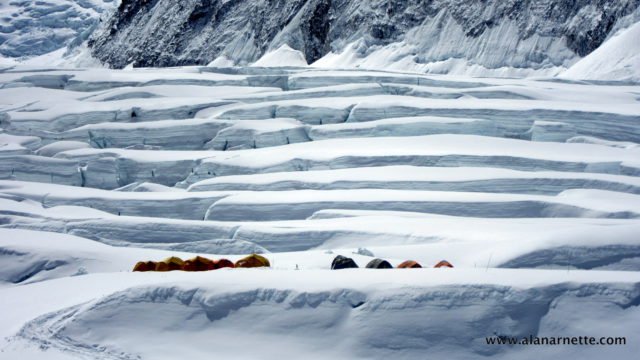
Right on schedule, the third week of April has climbers on both sides of Everest moving to the higher camps in the quest of adjusting their bodies to higher altitudes. For many climbers, they will have trouble adjusting as Camp 1 in the Western Cwm on the Nepal side is 19,500 feet and on the Tibet side, Advanced Base Camp is even higher at 21,300 feet. The first night at altitude is always horrible. Normal Season Thus Far Overall the season continues to progress normally with no major issues. The routes are being managed well on the Nepal side with the rope fixing teams preparing to set the route on the Lhotse Face to Camp 3. Over on the Tibet side, progress is good as well. Teams left for Interim Camp on their way to Advanced Base Camp. The Tibetan rope fixers are on duty and preparing to get the route to the North Col as soon as this weekend. It has been windy on the Nepal side but that has calmed down. Climbers are reporting the north side base camp is cozy but their -20F sleeping bags are way too warm! Into the Cwm The activity is strong in the Icefall and Cwm this week. Sherpas make up the majority of the traffic but there is a huge difference with the foreigners or members. The Sherpas will wake up at 2:30 am to have a strong concoction of roasted barley porridge called tsampa, a wheat paste known as syan, and servings of Tibetan Tea. Westerners have no chance of digesting this meal so early and force down toast, egg and coffee. It is common for the Sherpas to leave EBC with a 30 pound load, climb through Icefall to Camp 1 or even Camp 2 and be back for the member’s breakfast at 8:00 am. For the mere mortals, on this first trip to Camp 1, it will take 5 to 7 hours and they will be exhausted once they arrive. IMG’s Classic team consisting of 14 members and the same number of Personal Sherpas arrived at Camp 1 on 18 April. They will spend two nights there before moving to Camp2 for another two nights. It will be a few days before climbers return to base camp to post reports on the climbing conditions, but my close friend Jim Davidson gave me a hint with a short message: … we are at 19,800 feet. Took six hours. Some very sketchy moves in icefall. Feel pretty good Camp 1 Heat The stay at Camp 1 will be miserable. The climbers arrive at 8:00 am just as the sun begins to hit the tents. They are tired, questioning their resolve as they crawl into their tents. They spread out their personal gear along with their -20F down sleeping bag and lie down. Within minutes, they are sweating, horribly hot, like in a sauna but no humidity except for the sweat now forming off their nose. They shift to reduce the body surface area against the down bag. They roll again. OMG, this is horrible! Who said it would be like a summer day in Atlanta but this at 20,000 feet in the Western Cwm? You look over at your tent mate, he is just as miserable and they makes you feel better. All of a sudden your Personal Sherpa appears at the door. “Hot tea?” To ABC On the Tibet side, many teams are now reported to be at Interim Camp. This is a very uncomfortable place halfway between base camp and Advanced Base Camp (ABC). Because ABC is pretty high, 21,300’/6400m, climbers split the first sorte’ from the 17,000′ base camp and usually only spend one night at Interim during the entire climb and that is now. It takes between five to six hours to reach it the first time. Later on, after acclimatization, teams will go all the way to ABC is that same time. To compare this to the south side, Camp 1 is at 19,500’/5943m and Camp 2 at 21,000’/6400m I am getting reports of good communications at base camp on the north. Andy Anderson said: I am using an iPad and have 3G for both China Unicom and China Mobile. Phones may have 4G. It is quite fast internet at any rate. I FaceTime with family in the US without any issue. Ricky Munday with SummitClimb made a nice long post as they prepare to move to Interim Camp. It is the Blog of the Day. Yesterday was a good day to stretch the legs. After a broken sleep, I set out with George and Alan to walk up the valley part of the way towards interim camp. We walked at a slow but steady pace, and I wore a face mask with Olbas Oil inside to keep my airways clear. I know George well from previous trips, and Alan is a 50-something Scot based near Cambridge who has previously climbed Cho Oyu with SummitClimb. There wasn’t much to see on the walk up the valley, but there were some strange Earth formations, almost like penitentes. We were passed by a few Sherpas carrying loads up to interim and Advanced basecamps, and also by a yak train moving down the trail with the Chinese team. The progress of all other teams on the mountain is highly dependent on the Chinese establishing the fixed ropes from below the north Col to the summit. Hence, we’re in no rush to move up the mountain. In fact, some teams have yet to arrive at basecamp, although more are arriving each day. Climb the North Now The Chinese have provided electricity at base camp, and supposedly banned generators. This comes as no surprise as the Chinese plan to build a “Mountaineering Center” near base camp. As I reported late last year, China will invest $14.7 million in a mountaineering museum near the Tibetan township of Gangkar (Gonggar County) – about 20 miles from the traditional Everest Base Camp which is used as a base for attempts on Everest from Tibet. The new Center is planned to open
Everest 2017: How to Manage the Everest Crowds
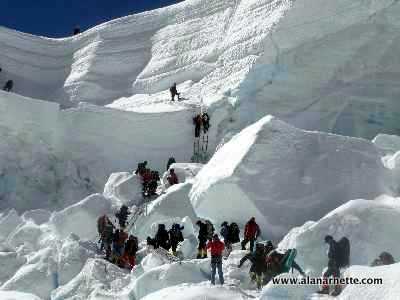
As predicted it looks to be a record year on the both sides of Mt Everest and the normal routes will be crowded. With the vivid memories of the crowds in 2012, the media will be jumping all over this with demands from armchair climbers, journalists, attention seekers and the expert at your next party who has never been above the second floor but read Into Thin Air, to close Everest immediately. As the Irish say, brace yourself. With histrionics aside, what can be done? First, to define the issue, this is what I posted yesterday: The Nepal Ministry of Tourism is reporting that 385 foreigners from 41 teams have already received permits for Everest and healthy activity on many other peaks. My sincere thanks to Rajan Pokhrel for this chart and it is already outdated. Note that Everest and Lhotse are both up from last year. Dhaulagiri also has a large number of climbers at 51 and Makalu has 43. Remember that these are permits for foreigners and does not include Sherpas. As I have been reporting there are at least one Sherpa for each foreigner so there will be at least 770 climbers on Everest plus another ~200 on Lhotse, which shares 90% of the same route with Everest. This puts the traffic on the Khumbu Icefall and Lhotse Face close to 1,000 climbers and there are more permits to be issued. (there is some overlap between Lhotse and Everest climbers) This was predicted as I wrote back in February 2017: I am expecting over 600 summits from the South (Nepal) side and well over 200 from the North (Tibet) totaling 800 from both sides, smashing the record set in 2013 with 658 total summits from both sides. In 2016, 641 climbers made the summit from both sides. Ok, so now that we have established it will be crowded how will the climbers already there respond? But first let’s look at why there are crowds and with expeditions lasting from six to eight weeks, why can’t they just spread out the summit days and eliminate the problem? Who Summits First? There are about 41 teams on Everest ranging from two people to 100. Almost without exception all depend on Sherpas to establish camps, including ferrying food, fuel, tents, and supplemental oxygen. While you may read about someone climbing “self supported” in reality they are supported by the Icefall Doctors to set ropes and ladders in the Khumbu Icefall or to Advanced Base Camp on the North. Also they get support from the commercial teams or the Tibetans who set the safety line to the summit. If they clip into someone else’s rope or step on a ladder, they are supported. And some “independent” climbers depend on Sherpas to establish their camps just like the commercial teams. This is not meant to criticize, but to clarify and to frame the problem. (well maybe a slight criticism of their transparency and acknowledgement of the support they use) #1 Fix Route This is the deal; the tradition is that the Sherpa and Tibetan rope fixing teams to summit Everest first. While it is possible for someone to climb independent or without fixed ropes, it is rare. Perhaps we will see Ueli Steck do it this year. But even Ueli will use the ladders in the Khumbu Icefall, and he is fine with that. But that will be just he and Tenji Sherpa, leaving 998 climbers to go! #2 Acclimatize Even though an average Everest expedition arrive at base camp in early April, all climbers must check off three items before they attempt to summit: wait for the ropes to be fixed, acclimatize by climbing to between 20,000 and 23,000 feet and have a weather forecast of four to seven days with winds under 30 mph. #3 Good Weather The weather forecast is the primary factor that drives the crowds. If there are only a few good weather days, everyone elbows to get their spot in line. The normal range is 6 to 16 days with an average of 11 since 2001. In 2012, the year most talked about for crowds, it went down to four. The best case scenario for 2017 is for many good weather days to spread out the crowds. If it is like 2012 with four or even six we can expect record deaths, record frostbite while seeing record summits – a harsh scenario. Total Support The picture often used as exhibit A in the trial of Everest’s overcrowding was from 2012 when Ralf Dujmovits caught along line of Sherpas ferrying gear to the South Col. I have similar ones from 2002, 2003, 2008 and 2011. Yeah the 2012 line was huge and should raise flags. The fact is that those Sherpas were carrying a large amount of oxygen to the Col plus extra food, tents and supplies for members. The trend is for members to use 4 lpm of oxygen where it used to be only 2 lpm and now there is talk of going to 6 and 8 lpm in the future to make it easier for the members. Therein lies the problem with crowding – too many people with marginal skills requiring exorbitant support. But I digress 🙂 Summit Strategies More often than not, the summit push is a herd mentality based on rumors throughout base camp of the forecast, sometimes based on false information planted by ill-intentioned teams. There will be 1,000 humans on the flanks of Lhotse and Everest (South) starting next week. If you are already there what are your options? Here goes: Get out Early Once the ropes are fixed and there is a good weather forecast, teams must gamble on when to begin the first summit attempt. By going first in early to mid May, it is cold, very cold. And if the forecast misses the winds by 20%, it can be horrible. In 2012 hoarfrost coated climbers making for a miserable summit experience and once they got there there was no view. But this is the rub with this strategy, many teams want to be “first” so it can be crowded. There can easily be 100 to 200 climbers in that first window. And to complicate matters, it seems
Everest 2017: Weekend Update April 16 – Updated
As we enter mid April, the activity is increasing on both sides of Everest. This past week the Nepal side saw a huge influx of teams and on the Tibet side, the beginning of what could be a record year began. Update – Record Nepal Everest Climbers The Nepal Ministry of Tourism is reporting that 365 foreigners from 39 teams have already received permits for Everest and healthy activity on many other peaks. My sincere thanks to Rajan Pokhrel for this chart. Note that Everest and Lhotse are both up from last year. Dhaulagiri also has a large number of climbers at 51 and Makalu has 43. Remember that these are permits for foreigners and does not include Sherpas. As I have been reporting there are at least one Sherpa for each foreigner so there will be at least 730 climbers on Everest plus another ~200 on Lhotse, which shares 90% of the same route with Everest. This puts the traffic on the Khumbu Icefall and Lhotse Face close to 1,000 climbers and there are more permits to be issued. I wrote back in February: I am expecting over 600 summits from the South (Nepal) side and well over 200 from the North (Tibet) totaling 800 from both sides, smashing the record set in 2013 with 658 total summits from both sides. In 2016, 641 climbers made the summit from both sides. This is looking to be more true everyday. Changes in the Making I am noticing more and more people arriving in Lhasa or Kathmandu in mid April instead of late March. Some of these climbers are using altitude tents to “pre-acclimatize” thus feel they can fly or drive almost directly to base camp skipping the acclimatization process others use to safely arrive at 17,000 feet. Others have experienced a delay in fixing the ropes in recent years, so it was wasted time to arrive at base camp only to sit for three weeks. This has been most prevalent on the north side. Case in point, Alexander Abramov’s 7 Summits Club, just arrived in Lhasa, 15 April. Alex has one of the largest and most experienced team on the north year in, year out. I will continue to note the use of altitude tents for pre-acclimatization. It has caught on and has become the standard part of a couple of team’s required process. Those who use the technique are believers, others are skeptics and some dismiss it as a dangerous marketing tool. Of note is that those companies that heavily promote the use of altitude tents also give their members an enormous amount of supplemental oxygen. One team will run their members at 8 liters per minute next year!! The long standard has been to climb at 2 lpm and the more expensive outfits climb at 4 lpm. After this season, I’ll do another deep dive in this updating my article I published in 2014 where I interviewed the CEO of the leading US company and Dr. Peter Hackett, the leading expert on high altitude physiology. Weekly Headlines Overall, the season is going well, but it is very early. The ice serac fall in the Icefall last week created a short delay, with no injuries, but traffic is back to normal now. The weather has been good for early April but yesterday and today, Everest Base Camp is socked in with low clouds and a bit of snow, not unusual at all. The headlines include Puja ceremonies, training at base camp, teams finally cleared to enter China and most importantly, the first loads were carried into the Western Cwm by the Sherpas to establish Camps 1 and 2. You can see where the teams that report are located on the Tracking Table. With this, let’s take a deeper look at the action on both sides from this past week. Southeast Ridge Route from Nepal Ben Jones, leader for Alpine Ascents (AAI) always does a nice job of documenting their experience, posted a bit about training for the Icefall: We have started in slowly to help our bodies acclimatize, so it felt good to get moving around a bit today practicing walking on ladders near camp. It’s always a little awkward walking on ladders with crampons but the team picked it up pretty quick. It’s baby steps when learning to walk on ladders so we start flat on the ground without crampons and gradually progress to elevated ladders with a bit more consequence. Our team came prepared though and ready for some of the new challenges you just don’t find on very many other climbs. You may recall that one of the biggest changes to climbing Everest from Nepal, perhaps ever, has been the approval to use helicopters to fly gear (not people) to Camp 2 in the Western Cwm. According to Russell Brice this will eliminate many Sherpa loads. He recently told me in an interview: We as the EOA have been asking the MoT for permission to fly all the rope fixing gear to C1 so as to avoid 78 Sherpa loads through the Icefall for several years. Last year we finally received this permission for a 3 year trial period. It worked quite well last year, but really we needed the loads to be dropped at C2 as there is more definition by dropping the loads onto moraine rather than white ice, but also it was quite confusing to get the loads carried from C1 to C2, plus we lost a lot of equipment as this was sitting out in the open and it seems that various people helped themselves to ice screws and the like. By dropping directly at C2 we will have much better control of who is taking what and where. We have permission to do that this year. Greg Vernovage of IMG gave us an update on this year’s effort: The 16 loads of fixing gear (rope, pitons, screws, ‘biners) for the upper mountain were flown from Gorakshep and delivered to Camp 2 (21,000ft). Great job by the pilots and all of the people who pitched in to help make that happen! Meanwhile, as the climbers are