Everest 2026: April 27 Weekend Update – Icefall Route In?

We may finally see how climate change has impacted climbing Mt. Everest: melting seracs threatening climbers, and helicopters used to bypass the icefall. #everest2026
Climbing the World to End Alzheimer's
Climbing the World to End Alzheimer's
We may finally see how climate change has impacted climbing Mt. Everest: melting seracs threatening climbers, and helicopters used to bypass the icefall. #everest2026

After waiting as long as two weeks, climbers on Annapurna, Makalu and Dhaulagiri finally stood on the summit. But Everest lags as the route from EBC to the Western Cwm is stalled. EverestER is already busy, having seen over 100 patients thus far this season. It’s over for Ryan Mitchell. #everest2026

Teahouses are buzzing, the trails are full, the yaks are loaded–as are the porters bearing unbelievable loads. Yes, the Khumbu is alive. But the weather is poor for some of the 8000ers. #everest2026
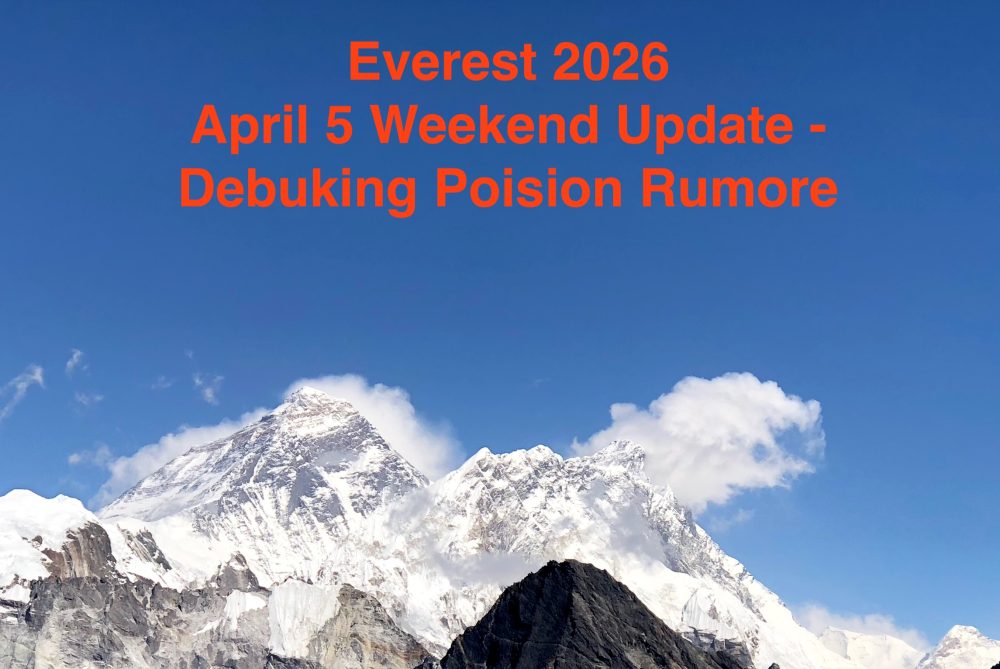
In this weekend update, I cover a lot of ground, primarily around misinformation regarding “Everest Guides Poisoning Clients” – FALSE. The actual issue is a large-scale insurance fraud scheme targeting trekkers (not climbers) across Nepal’s trekking circuits, involving fake helicopter evacuations and hospital stays. Additionally, Global Rescue will not provide longline rescues above Camp 2 this year due to a lack of qualified pilots, which will fundamentally change expectations for climber safety. We also look at heavy snow delaying summits on Annapurna and, of course, a status update on Ryan Mitchell. #everest2026
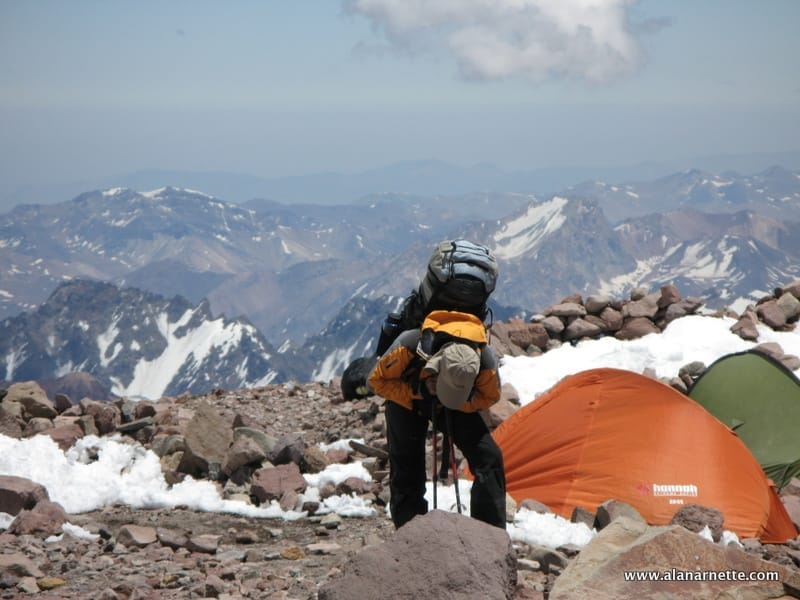
The media is going crazy with this headline in, of all places, People Magazine: “Mount Everest Climbers ‘Poisoned’ by Guides Prompting Mass Helicopter Rescues in $20 Million Insurance Fraud Scheme, Police Say.” The gist of the story is that thirty-two guides were charged in connection with the scheme, which impacted 4,782 international climbers between 2022 and 2025, on March 12, The Kathmandu Post reports.
But this goes back further, and the fraud appears to be widespread. However, the mainstream media has a few facts wrong, similar to the headlines around last October’s incident, which read “Hundreds of climbers stranded on Mount Everest amid freak blizzard.” Spoiler alert: In both cases, the victims were trekkers and not on Mt. Everest. But let’s look at the fraud problem in depth. #everest2026
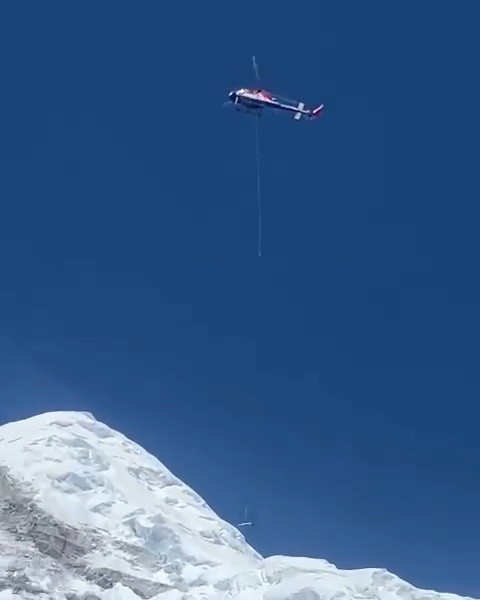
I’ve been informed by the largest evacuation company, Global Rescue, that long-line rescues are unlikely to be available in the Himalayas this spring through their membership program. With an uncertain weather forecast, even though it is quite snowy at the moment on two of the 8000-meter peaks, the absence of this rescue technique could have serious life-or-death consequences. Climbers should exercise extra caution when above Camp 2 on the Nepal side of Everest and at similar elevations on all the 8000-meter peaks.
As of April 2, 2026, the Nepal Ministry of Tourism has issued 114 permits for 10 mountains, including 27 for Annapurna I, 18 for Everest, 20 for Ama Dablam and 7 for Dhaulagiri. Expect the Everest number to approach 500 over the next few weeks. #everest2026
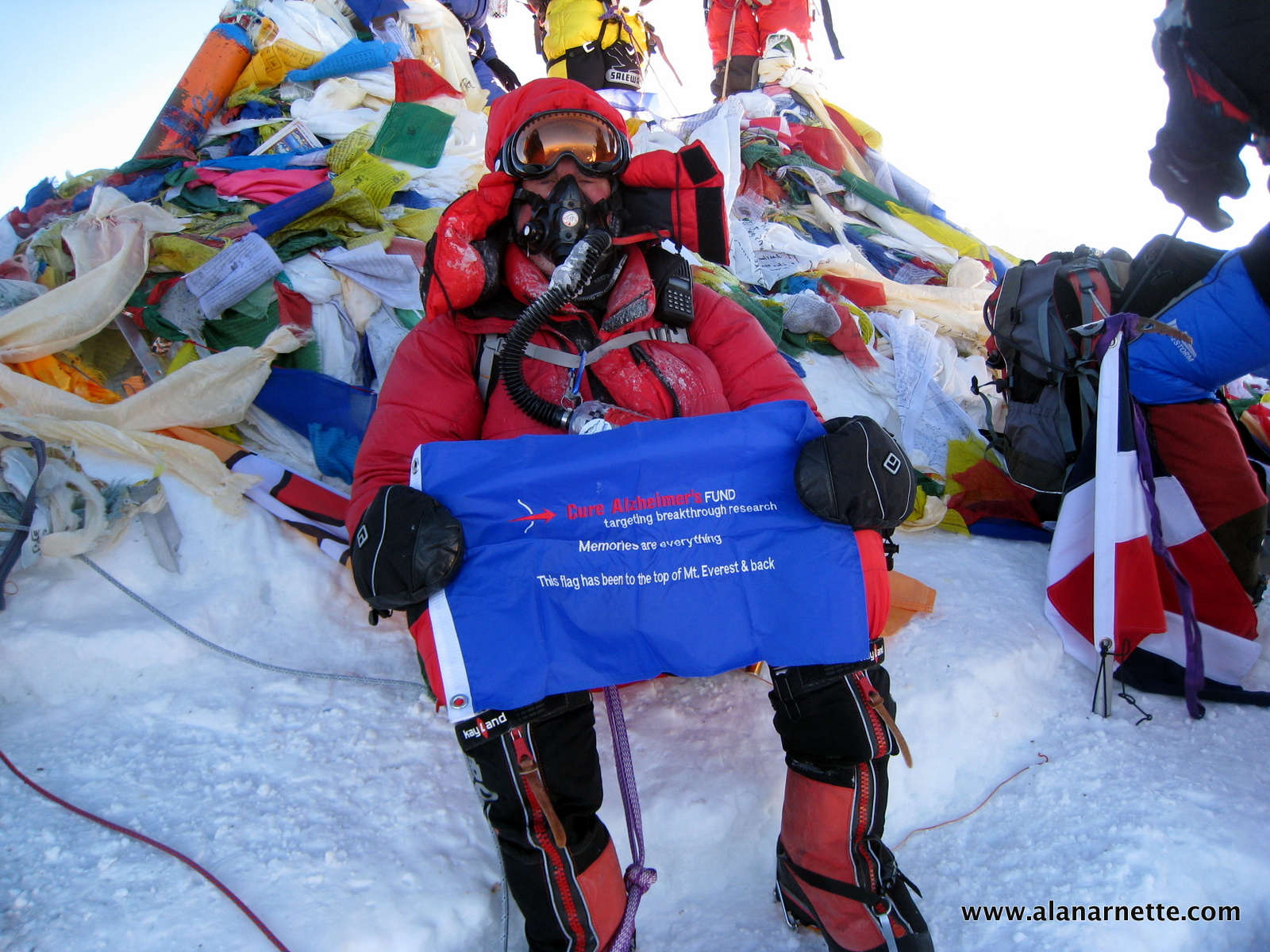
After recording a powerful podcast with Lainie Holcomb and Dr. Tammy Awtry of the Cure Alzheimer’s Fund, I was reminded that while meaningful progress has been made in understanding, detecting, and slowing Alzheimer’s, we are still far from a cure.
This mission is deeply personal—sparked by my mother’s diagnosis in 2006—and has driven nearly two decades of climbing and fundraising to support research where every dollar goes directly to finding solutions.
Today, breakthroughs like early detection, new treatments, and innovative research models offer real hope, but continued funding is critical; that’s why I’m asking for your help now, and I’ll match the first 50 donations to amplify our collective impact in the fight to end this disease. #alzheimer’s #Curealz
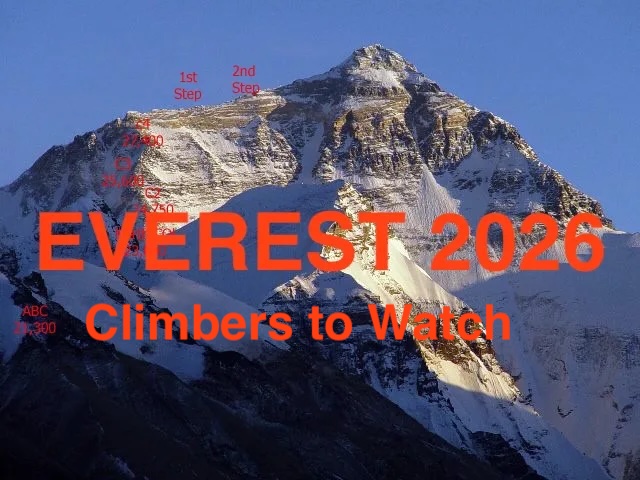
Everest Base Camp is taking shape as two more of Nepal’s eight 8,000-meter peaks see climbers arriving at their bases. This year, there are several interesting climbers to watch beyond the hundreds of aspirants on commercial teams. Remember, China closed climbing on its three 8,000ers—Everest, Cho Oyu, and Shishapangma—throughout all of spring. #everest2026
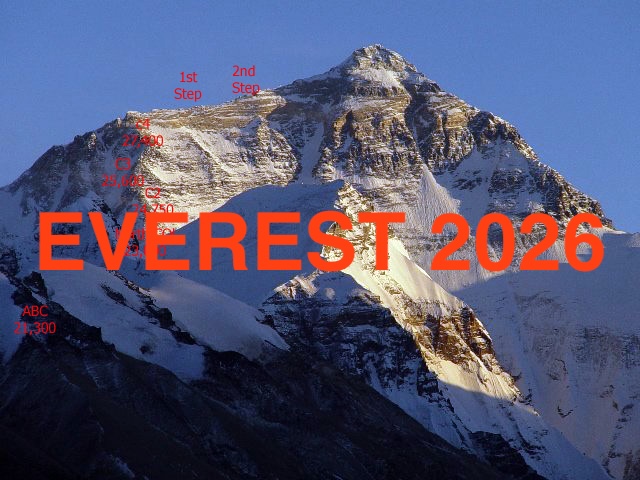
The spring 2026 Everest climbing season is just around the corner. The Icefall doctors are already at Base Camp, preparing to fix the ropes to Camp 2 in the upper Western Cwm. Many expedition teams have already sent Sherpas to reserve their traditional spots and have begun building tent platforms. In other words, the annual small tent city is taking shape. #everest2026
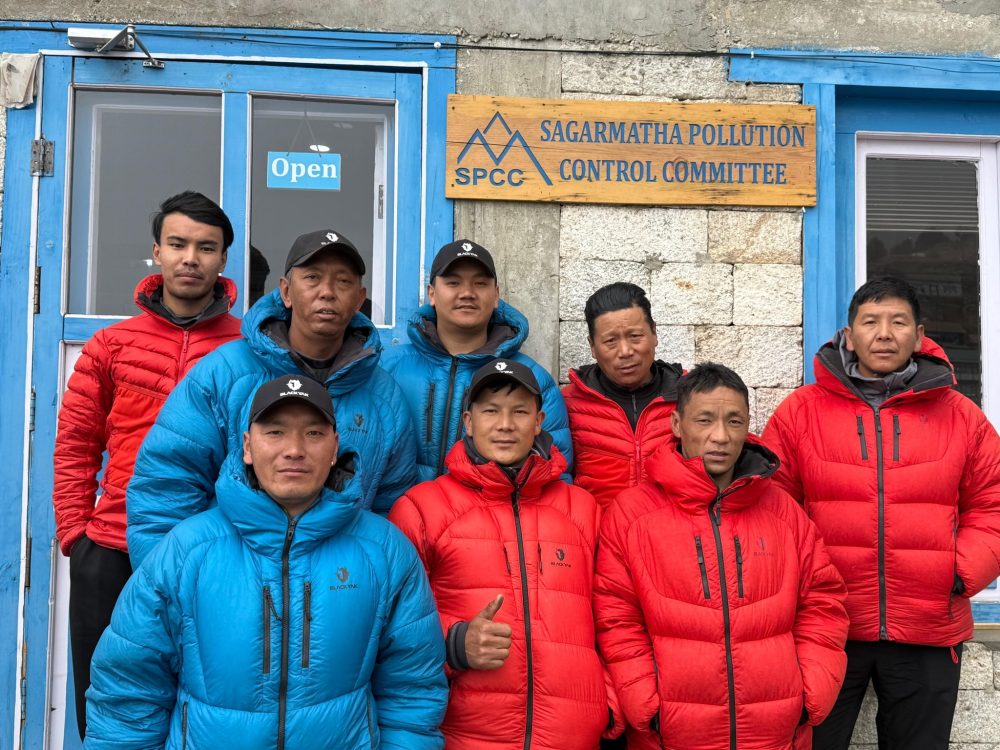
The backbone of every Everest season on the Nepali side are the Icefall Doctors, a team of highly skilled Sherpas who establish the climbing route and set the thin nylon safety rope from Base Camp to Camp 2 in the Western Cwm.
Today, they left Namache Bazaar for EBC, where they will receive refresher training under the watchful eyes of the Kuhumbu Climbing Center teachers. Next, they will use drones to scout the route and, around March 16, begin the laborious task of setting ice screws, pickets, v-threads, and other techniques to attach the rope to the moving ice. And of course, there are the ladders that are hauled to deep, open crevasses, thus providing passage for the thousands of trips through the Icefall this season.
In the Podcast, I introduce the season and review some of my background posts on costs, total summits and deaths, route figures, and more. #everest2026
Climbing the World to End Alzheimer's
We use cookies to improve your experience on our site. By using our site, you consent to cookies.
Websites store cookies to enhance functionality and personalise your experience. You can manage your preferences, but blocking some cookies may impact site performance and services.
Essential cookies enable basic functions and are necessary for the proper function of the website.
These cookies are needed for adding comments on this website.
Google Tag Manager simplifies the management of marketing tags on your website without code changes.
Statistics cookies collect information anonymously. This information helps us understand how visitors use our website.
Google Analytics is a powerful tool that tracks and analyzes website traffic for informed marketing decisions.
Service URL: policies.google.com (opens in a new window)