Everest 2018: Another Everest Guide Leaves Nepal for China: Altitude Junkies
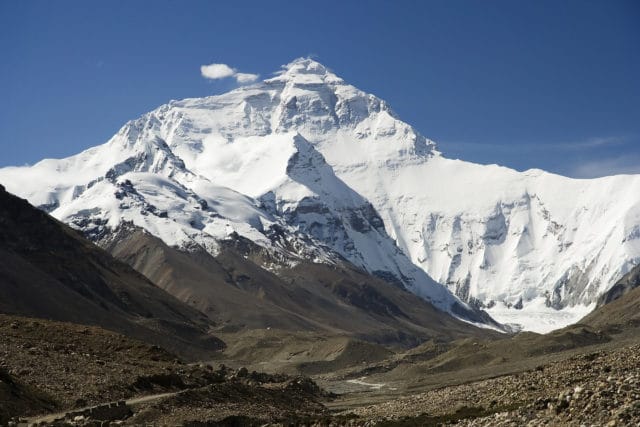
Everest from Tibet

Phil Crampton’s Altitude Junkies has run Everest climbs from both Nepal and Tibet for 10 years and for 2018 he is making a radical change, returning to his roots. Phil began climbing Everest in 2001 thus is in a unique position to comment on the changing business of Everest plus the impact of recent crowds, government policies, and strategies used by other outfits to attract a wide range of climbers. Phil’s switch is the third guide company to leave Nepal for Tibet over the last several years. Is this the beginning of a movement indicating problems in Nepal or just a business decision? I’ve known Phil since 2008 when he was instrumental in helping me recover from botched logistics on an Everest North side climb. We went to the Southside that year but were waylaid by the Chinese antics related to the Olympic games. In 2013 I summited Manaslu with Phil and team, summited Alpamayo in Peru the next year plus was on his Everest team in 2016 for a Lhotse attempt. I interviewed Phil, who lives in Kathmandu, last year just before the 2017 season. He had decided not to run an Everest expedition for the first time in many years. Now for 2018, he is going back to Everest but switching sides after climbing from Nepal since 2009. His company, Altitude Junkies, has an incredibly loyal following. It is common for him to have 8 out of 9 repeat members on an expedition, almost all who have summited several 8000-meter mountains, including Everest with Phil. He is not a “guide” and takes it personally if you call him one. He expects his climbers to come prepared, be independent and ready to climb. No training at basecamp with his team, If you ask him to check your gear, he will scoff at you and suggest that you are on the wrong team! Phil is famous for his afternoon happy hours where attendance is mandatory, but drinking is not. I have spent many an hour in the dining tent visiting with the who’s who in climbing including Conrad Anker, Russell Brice, and others. His Sherpas are some of the best and loyal to a fault. He pays above-average wages, does not accept tips and keeps his promise that there will be zero surprises on his trips. Oh, and his prices are below average. He is asking in the low $40K range for his trip this year. So what is going on to bring Phil back, to climb from Tibet, not Nepal and what is his take on the overall Everest Inc. these days? Grab a beverage and enjoy. AA: In 2017, you took a break from Everest as we discussed in our last interview. You said the crowds combined with inexperienced members drove you away. With the North side now gaining momentum [link], are you concerned that the same thing will happen there? In 2017, a large Indian team of teenagers (Transcend) went and put 16 teenagers with 22 Sherpas on the summit. PC: 2017 was the first year in many I wasn’t actually climbing on Everest. We wanted a less crowded and more challenging 8,000-meter peak so we climbed Makalu instead. We had a great team of guys and girls and a beautiful peak, which presented new logistical challenges for me, which I enjoy. We had a total of 45 foreign climbers plus Sherpa on Makalu last spring. We had hoped to offer different 8,000-meter peaks in the future such as Makalu and Dhaulagiri but the draw of Everest stills commands most interest from prospective Himalayan climbers. The Sherpa that I work with year in year out enjoyed Makalu but they are now ready to get back to Everest, and I want my boys to be happy in their work. I personally think that the south side of Everest is at a point of no return in regards to crowds and inexperienced climbers on her flanks, and unfortunately I think it will only get worse. The new rule being introduced this spring that every foreign climber needs to be accompanied by a Sherpa guide will only add more people to the numbers on the mountain, but most reputable expedition companies already have a 1:1 Sherpa to climber ratio. The local Nepalese companies are now competing with each other, rather than with the foreign companies for members, undercutting each other with prices and therefore most of them are hiring inexperienced climbing Sherpa to take responsibility of inexperienced members. For those climbers whom know Everest well, it’s pretty much a known fact that members from Nepal’s neighbors are predominantly using the local companies services and getting themselves into trouble on the hill. The member base of the western expedition companies are still going to climb with a western guide and a company with a good track record, rather than going for the lowest cost. Transcend is an Indian company and they have figured out that there is a lot of business to be had with Indian climbers on Everest, so I expect them to have more Indian members in the future. I am not sure if the teenage team is going to be an annual event. Even back in the nineties and zeros, when there were large numbers of climbers on the north side, it never seemed to feel crowded, although it was somewhat a lawless mountain, in regards to theft of oxygen and some climbers generally behaving badly. The China Tibet Mountaineering Association pay close attention to what’s going on in Nepal and I do not think they will let the same happen to the north side. They have big plans to further promote their domestic Everest tourism with building a mountaineering center in Tingri. [link] They also do not keep releasing random press releases instigating new rules and regulations that ultimately  tarnish the rationalization of the Nepal Government and the Ministry of Tourism and Civil Aviation. AA: Nepal recently announced new rules banning climbers with disabilities, solo climbs, increased insurance for Liaison