Everest 2014: Weekend Update April 13 – Full Base Camp
Heavy snow greeted climbers as they finished the trek to Everest Base Camp on Nepal’s side or started the drive to Chinese Base Camp on Tibet’s side. But there were no reported problems and teams will start their acclimatization rotations through the Khumbu Icefall this week. Big Picture This past week teams made steady progress through the Khumbu, medicine once they got to Lukla. There were multiple flight delays that forced some teams to drive to villages closers to Lukla then to take helicopters. This was more of an annoyance than a huge problem as they were soon on the trek and enjoying pastry in Namche. The Nepal Ministry of Tourism has released the permit numbers showing 28 permits for Everest for 299 westerners from 41 countries. Remember that for 2014, there are still group permits whereas in 2015 single permits will be the norm. This year the permits ranged from three to 15 members. Large teams will obtain multiple permits. In recent years, there have been 2.3 Sherpa for every western climber thus for 2014 this implies we will see about 1,000 climbers on the Southeast Ridge Route, about the same as in 2013 when there were 315 westerner climbers from 29 teams. Some of the largest western teams have a dedicated set of Sherpa who carry loads and establish the high camps while an additional set of Sherpa serve as “Personal Sherpa” only climbing with western members. So if a team has 30 western climbers, there may be a 60 or more Sherpa in support making for an overall team of 100 people including cooks and porters! According to the Himalayan Database, since 1950, 20,732 people have been above base camp with 6,785 summiting or 40% success rate. Since 2000, the summit success rate increased to 52%, thus for 2014 we can expect well over 500 summits from both Sherpas and Westerners just from Nepal. In 2013, 308 of the 467 westerner climbers made the summit or 66% from both sides. For 2014, there are 48 women climbing out of the 299 western climbers or 16%. Historically, women have represented 6% of the total summits. The oldest person attempting Everest this year is American Bill Burke at 72 from the north side and the youngest is Matt Moniz at 16 from the south. The Ministry said that Everest represents US$ 2.9 million in income to Nepal this year. They continued their heavy handed threats about trash collection with this statement: “There is no excuse and it doesn’t matter who you are, where you are from, what your physical abilities or inabilities, as a climber you must submit the rubbish at the Base Camp,” Madhusudan Burlakoti, Ministry Spokesperson said. Every team has gone through a briefing educating them on the new rules this year. Also, the Ministry said a remote office has been established at base camp consisting of 16 Government officials. Movie Making As expected there are multiple movies being made about Everest this year with the dominate feature being filmed by the Discovery Channel of Joby Ogwyn’s wingsuit flight off the summit. This will be a live event and I expect it to occur in early May, before the summit push of the main teams. The event is produced by NBC’s Peacock Productions entitled ‘Everest Wingsuite Live’ and estimated to cost US $10 million. Other films noted by the Ministry include: Julian Mocklinghoff’s documentary on blind Austrian climber Andy Holzer’s expedition titled ‘Andreas Osterreich to Everest’ Google’s documentary ‘Everest Story Camp 2014’ Andrew Awes, USA, filming Khumbu region for his documentary ‘America Unearthed, Bigfoot Captured’ Russell Brice’s Himex is hosting a team shooting the documentary ‘Sherpa in the Shadow of the Mountains’ Michael Roberts of New Zealand, shooting a documentary called ‘Everest’ Emma Bernhard of UK, filming a documentary ‘One Planet Mountains’ in Everest region Snow and Sickness It snowed off and on all week plus was a bit cold – all absolutely normal for this time of year. Another normal occurrence is getting sick. You will read reports that everyone is doing great but a few reports will reveal the reality that almost every person who makes the trek to base camp will get diarrhea, runny noses, or a mild cough. And a few will get some serious gastrointestinal problems, high fever or chest infections. No team, no matter how good they are, how long they have been going to Everest or how much they charge are immune. Even those who fly in trying to skip the trek will experience some period of adjustment. All normal, all part of the deal and all recoverable with the right ments and attitude. Comms Issues Once at Everest Base Camp, the climbers settled into their routines. One issue that has been widely noted, or not, has been communication problems. A new Base Camp communication system was established through Mercantile Communications. This was supposed to proved a wireless system allowing climbers to sit comfortably in their own tent or perhaps the dining tent and type away on their laptops or smartphones. In previous years, only a few teams offered wireless technology and that was through the satellite carriers like Thuraya, Immarsat or Iridium – at a very high price. It is not clear what is going wrong for 2014, but something is amiss with the new systems, and the old systems. Ncell, the dominate local mobile company in Nepal had offered service to base camp but even that seems to offline. One short reported cited “maintenance” on the tower at Gorak Shep. The only reports that seem to be getting through reliably from base camp are voice updates using sat phones. Again, don’t worry about your friend or family – no news is good news. One step forward and ten steps back for 2014. Hopefully it will all get sorted soon. Dave Hahn, RMI, phoned in this short update that represents what most teams are currently experiencing: Hey, this is Dave Hahn calling from Mount Everest. We’re still doing
Everest 2014: Ceremonies
Ceremonies mark life. Many come with a birth of a child, a union of a couple or upon death. For the Sherpa, they will not climb Everest without one such ceremony, a Puja. Today’s Update There is something strange going on with the communications systems for some teams at Everest Base Camp preventing the usual blog posts. Some emails and posts are getting through but speeds are extremely slow preventing attachments including pictures in many cases. Many, many teams are reporting this issue when they can get through. And it does not appear to be from the usual overload of so many people trying to connect. Garrett Madison, of Madison Mountaineering posted this from the last village before Base Camp, Gorak Shep: Tomorrow is the day we all have been dreaming of for months – base camp! It should only take us about 2.5 hours to get up there, just in time for lunch. Hopefully our state-of-the-art solar power and communications systems will allow us to maintain more frequent updates as we adjust to living at EBC! However a lot depends on what system he will use the base camp as Altitude Junkies posted this today: Unfortunately, the communications systems are not working well. The Immarsat BGAN as well as Ncell are not functioning as normally expected right now. Hopefully the problems are rectified soon so there will be more frequent dispatches. Finally the Adventure Consultants team, safe and on schedule, made this update: Dean has called in from the village of Lobuche at 4930m, where they have limited wifi so he was unable to post a dispatch today. He said everyone did well crossing over the Kongma La pass (and useful for acclimatisation at 5535m high) and they have met up with our other group at Lobuche and all are very much looking forward to arriving at Everest Base Camp tomorrow. I know these blackouts create significant anxiety for friends and families back home but there is nothing we can do about it until people with the knowledge can get it fixed. Hopefully this will be soon. Remember, the standard mantra in climbing is no news is good news – even in this day of 24×7 communication, sometimes! Otherwise, Everest Base Camp on the Nepal side is filling up with over 200 climbers arriving in the past few days. Those climbing from Tibet are on the move by road to their base camp. Puja Before any climber, or Sherpa, begins climbing, they must have a Puja. This is mandatory for the Sherpa and something they take extremely seriously. While westerners are invited to participate, and almost everyone does, if they choose not to, no big deal. But it is a special part of any Himalayan climb and, for me, something never to be missed. The puja is a traditional ceremony lead by a Lama where the mountain Gods are asked permission for the climbers to climb and forgiveness for the damage caused by the climbing and for the safety of everyone involved. All the Sherpas, climbers, cooks – anyone associated with the climb participates. Many teams arrange multiple blessings: one in Kathmandu, and other during the trek in and the most important one at Base Camp which is also called a Puja. The ceremony is always somewhat similar starting with the building of a large rock chorten that holds pictures of the Dali Lama and small models of the mountains made in barley paste. RMI posted this today: We had a wonderful ceremony today. The puja altar was just as beautiful as it gets. A wonderful day. Just a real, pretty ceremony. Everybody in attendance and we all had a good time. So we packed up a lot a loads. We have our whole Sherpa staff heading up the hill to carry all the necessary provisions to get a great Camp 1 established. And IMG said: Today the IMG sherpas celebrated their big puja at Base Camp, complete with three hours of chanting, juniper burning, chang drinking, rice throwing, tsampa face smearing, prayer flag raising, and the blessing of all the climbing gear by the Lama. In short… a big party! Everyone brings harnesses to be blessed for safety and ice axes and crampons for forgiveness for the holes that will be put in the mountain snow and ice. Some people bring pictures of their families and placed them on the alter. Inside a Puja This was from my 2011 Everest climb: The Lama was seated to the far left of the alter sitting on a blanket with another wrapped around his legs. He was Mingma Dorge Sherpa, a Lama from Pangyboche and has been conducting pujas for years. This was at least the third time I had seen him. To his right sat six Sherpa who assisted with the puja. They all chanted in unison reading century old prayers from Tibetan prayer books. Climbers sat in rows behind the Lama and Sherpas and everyone else mingled around. Serious but not terminally so, camera shutters and video cams were in full action trying to capture the moment. Sherpas poured milk tea, a sweet concoction of sugar, milk, and tea. The Lama and his Sherpas drank milk tea and chang, a potent rice wine. Food had been prepared the night before consisting of breads and other sweets. Once the prayers were complete the puja pole was raised on top of the Alter. This held flags and served as the central point for strings of long prayer flags that covered our camp. The Sherpas moved with precision to erect the pole and raise the flags. Now the energy really increased with more tea being poured. All stood up as another series of chants took place ending with everyone throwing rice into the air three times and cheering. This was followed by the tradition of spreading barley power on one another’s face. I took pride in spreading it on Kami and he on mine. It was really quite the mess! As
Everest 2014: Acclimitizing on Lesser Peaks
Just as some teams arrive at Everest Base Camp, salve they turn around and leave. What’s up? Well for many years now, some major western teams have used lower peaks in the Khumbu for acclimatization in order to reduce the time spent climbing through the Icefall. Todays’ Update As usual before we go on, let’s review where the teams are today. More climbers arrived at Everest Base Camp (EBC) on the Nepal side just as the teams climbing from Tibet crossed the border on their way to Chinese Base Camp (CBC). The Triple 8 team is on their way to Cho Oyu. I will report on them often as their ultimate objective is to climb Cho Oyu, Everest and ski Lhotse. The RMI team, lead by Dave Hahn, did the normal practice on a course setup by the Sherpas at EBC. This is a very short series of fixed ropes using anchors that climbs a 50′ ice and snow hill next to EBC. Climbers are able to work out any issues using their jumars and carabiners to move quickly pass the anchors while staying attached to the fixed line. This is important on the Lhotse Face and SE Ridge. Usually the course includes a ladder. It is also an opportunity to make final adjustments to crampon fit on the big, clumsy 8000 boots. JJ Justman described it this way for the RMI team: Today we had a really great day. It was our second day of training in the Icefall. We set up a nice obstacle course and got everyone familiar with some of the ups and downs and the crosses of what the Khumbu Icefall is going to entail. Everyone’s doing really well. It’s nice to have some practice on some fairly solid ground before we get to the real thing. Everyone just did a tremendous job. It’s really good to see great teamwork. A few teams are just arriving in Kathmandu including Arnold Coster and some SummitClimb groups. Adrian Ballinger’s Alpenglow Everest climbers won’t arrive until April 26th reflecting his philosophy of spending as little time as possible on the mountain by acclimatizing at home using altitude tents. They will then take a helicopter almost to EBC also avoiding the trek in the Khumbu. Lucy Rivers Bulkeley posted a nice series of pictures from her trek. She is climbing on a permit with Henry Todd. IMG is keeping an ongoing series of pictures on their Facebook page and updated it yesterday with a series on their camp at EBC. It gives a nice feeling for what the climbers are experiencing from food to sleeping to the practice course. Not to be alarmist, but we are already getting reports of people getting sick. This is completely normal as western bodies adjust to the new food and bugs of the Khumbu. The outstanding team of EverestEr are already at EBC prepared to help climbers, Sherpas and porters. All they ask is $100 from the Western climbers and that will also cover all their support staff. EverestEr does an outstanding job every year supporting the climbers and saving lives. They depend on donations to run the operations as the $100 doesn’t come close to covering their costs. Good to see some of climbers are learning essential Nepali. Alex Staniforth tweeted this today: My new mantra for the next 7 weeks is “pistare pistare funghi mare” = Nepalese for “slowly slowly catchy monkey!” Taking each day at a time. One climber, Patrick McKnight has been keeping an amazingly detailed blog on his preparations for Everest. He is climbing with the SummitClimb team from the South. He covers their briefing at the Ministry of Tourism. The 7 Summits Club team checked in with me for their north side climb. They have 14 members and 4 guides with a large Sherpa support staff. They are the largest team on the North. Their leader, Alex Abramov always does a great job of posting pictures throughout the expedition so visit their site often. Meanwhile some the IMG teams are now at EBC and other are already climbing Lobuche as part of their acclimatization program. Himex will soon follow this schedule. It has become common for many teams to use the smaller peaks including Lobuche, Island (Imja Tse), or even Kala Patar as part of their programs. Let’s look at Lobuche in detail as I used it with IMG in 2011. Lobuche Acclimatization Lobuche is often classified as a Trekking peak due to the lack of technical difficulty and the relatively mild altitude; it is “only” 20,075ft/6119m . Teams like to use Lobuche for acclimatization because the summit is the same altitude as Camp 1 and it eliminates at least one trip through the dangerous Khumbu Icefall. In 2011, I knew of at least two teams that used it in some form: International Mountain Guides (IMG) which was my team, and Himalayan Experience (Himex). Peak Freaks used Kala Patar for a similar purpose. In the IMG case, we made the 8 day trek from Lukla to Everest Base Camp proper at 17,500?, spent a few days then backtracked a full day to Lobuche. IMG and Himex had full Base Camps on opposite sides of Lobuche with IMG located at 15,740?. We stayed for one night before making a short two hour climb to our High Camp at 17,400? We left that camp around 3:00 AM the following morning for our summit bid. The climb was straightforward following the edge of a rocky slope but staying on snow slopes the majority of the route (click to see the route.) The route steadily gained altitude and got a bit steep towards the summit. We crested onto a flat area of the summit ridge and stopped at the named Lobuche East aka the fore-summit of Lobuche. The views of Everest, Lhotse and Nutpse were outstanding from this rare vantage point. There is another peak to Lobuche, West Summit which is substantially more difficult to reach as it is heavily corniced
Everest 2014: Lhotse – Gaining Attention
The 2014 teams heading towards base camp are not all going to climb Everest, in fact many, I would guess 10% are targeting Lhotse. But before we discuss the world’s 4th highest peak at 27,940 feet or 8516 meters, let’s see what is going on right now. First off, there was a wedding at EBC as reported by IMG: IMG guide Mike Hamill reports that team members Loretta and Jim were married at Everest base camp today. They have been together for 10 years, and today was the perfect occasion to tie the knot. Jim is staying to climb Mt. Everest with the team, and Loretta leaves tomorrow to start the trek back to Kathmandu. A huge congratulations to the happy couple on their special day. So that is kind of tough to follow but elsewhere, more teams are streaming towards base camp and those who suffered flight delays seem to have gotten it all sorted for now. Those still en-route could be summed up in this post from Adventure Consultants: Not much to report, but a had a great day resting in Pheriche. Some went for a walk while most chose to relax, do some email, have a shower, eat lots and read books. More tomorrow as we climb higher. All good here… The teams climbing Cho Oyu or Everest from Tibet are preparing to cross the border tomorrow. Lhotse You will read about the “Lhotse Face” throughout this season as it a difficult section leading to the Death Zone at 8,000 meters. Obviously, the Face is part of Lhotse Peak, the west face to be precise. The route to Everest and Lhotse follows the same path from Everest Base Camp to the Yellow Band. There it diverges going straight up to the Lhotse High Camp and on to the summit. It is half the cost of an Everest climb but takes about the same amount of time. Many who have climbed both consider it harder, or at least more technical than Everest. The summit push is shorter than on Everest. Lhotse involves some serious rock climbing with deadly rock fall danger. The final climb to the main summit of Lhotse is through a 500 foot narrow gully that often sheds rocks, large and small. According to the Himalayan Database, there have been 600 summits with 435 of those without supplemental oxygen. Women represent 43 summits and Sherpas have 171 of the total summits. But I expect this to change dramatically as many operators are now bundling Everest and Lhotse as a 2fer. Also, many previous Everest summiters are returning to climb Lhotse. The Altitude Junkies team has six Lhotse climbers and Himex has three. On my 2011 climb, I spent a lot of time with Simon who was climbing Lhotse. We often discussed why he was spending 99% of the same time to snag the “lesser” peak. He was consistent in his answer, I want to summit without crowds. That is a common profile of Lhotse climbers. He also was under no illusion that it was easier, or harder, than Everest – it was what it was. We climbed together and left Camp 3, both on supplemental oxygen, on the Lhotse Face about the same time. I went on to the South Col and Simon turned right, up the very steep face towards Lhotse’s summit and their High Camp. He gave me an update once we both had returned safely to Base Camp. It was harder than he expected, steep, icy, dangerous. He climbed slowly and carefully and had a great time! Simon was very satisfied with his climb and enjoyed the views of Everest! In fact he took a picture of Everest from the summit of Lhotse that showed me somewhere on my summit bid. We compared technical difficulty. I felt the snowless Southeast Ridge Slabs were challenging with crampons against rock. He felt the large boulders and sometimes snow-free rock features of the gully were challenging. I felt the altitude and exposure to the fierce east winds were problematic. He felt the summit exposure was unsettling. He also spoke of his crowds. Going up he was behind a group that accidentally kicked rocks dangerous towards them, not uncommon. With Lhotse’s new fame, it seems the crowd factor is shared between the two mountains We both admired the light from each other’s headlamp going higher on the other peak as we went higher on our own. IMG guide Greg Vernovage describes Lhotse this way Lhotse has some hazard of rock and ice and limited areas for resting. The sustained angle from Camp 4 on Lhotse (7850m) is a challenge. Always looking for foot placement and finding a safe place to rest makes it difficult to get into a rhythm. Walls on either side with loose rock and ice keep you on your toes. The kicker for Lhotse is the last 150 meters, which is the steepest part of the climb. You’ll need to use both your hands and feet to get to the summit, which seats only four of us at a time. Alpenglow owner Adrian Ballinger has attempted to ski the infamous Lhotse Couloir but conditions have never been right. This year, Matt Moniz and Willie Benegas will try a ski descent. Adrian gave me these comments yesterday: In a “normal” year, the summit day route on Lhotse is direct, technical, and exposed. Consistently steep, and mostly on firm snow, ice, and occasional rock, the route doesn’t have a single true flat spot where you can relax from Camp 4 all the way to the summit. This consistent climbing difficulty is combined with much lower-quality rope fixing and anchors, especially in the upper couloir and summit pyramid where the rock is low-quality. Climbers must be much more reliant on their climbing skills verses the ropes for their safety on the way up and down the route. Occasionally the couloir blows in with stable snow, and this is what makes it a possible ski line that many
Everest 2014: The Migration Continues
We have Everest teams all over Nepal at the moment. Bad weather in Lukla forced some to take buses to Jiri where they are still trying to get to Lukla. Others have taken helicopters due to their flexibility over the fixed winged flights. A few teams are at Base Camp and those climbing from Tibet, well that still won’t leave Kathmandu until April 10. But we are also in the normal blackout period for communication as those who are already in the Khumbu dependent on unreliable 4G cell phone service to post dispatches. Even those teahouses with Internet access are notoriously poor. So with this lull, let me introduce a few more climbers you might find interesting Jelle Veyt Jelle just cycled from Belgium to Kathmandu in 5 months and covered 13.000km. He is now in Namache waiting for the rest of the Asian trekking team to join him. His website is www.jelleveyt.be. South Africans Sibusiso Vilane and Saray Khumalo Sibu was the first black African to summit Everest and is going back this time to attempt the summit without oxygen. He also did the North and South Poles. He is a real inspiration for the youth of South Africa. It is Saray’s first attempt and if she succeed she will be the first black African lady to summit. They are also climbing with Asian Trekking. You can follow them on Twitter and Facebook. Best of luck to these climbers. Climb On!Alan Memories are Everything
Everest 2014: The Trek that will Change Your Life
I often say that a trek in the Khumbu will change your life. Today, April 7, 2014, there are hundreds, if not thousands of climbers, trekkers, and local people on the dirt trails of the Solo Khumbu region of Northern Nepal. Some are going to attempt Everest others simply to visit base camp, regardless, many may experience a profound change in their life. My first trek was in 1997. I didn’t know what I didn’t know at the time and was in for a change. Arriving in Kathmandu, you experience culture shock with the noise, poverty, traffic and general chaos so it is a relief when you board a Twin Otter at the airport for the flight to Lukla. It is during this flight that the hints emerge that you are leaving the world you once knew for something entirely different. Leaving Lukla for the short hike to Phakding begins your transformation. There are no paved roads, no cars, few power lines. You share the trail with everyone and everything. It is a simple world filled with people living a simple lifestyle. So you think.In the distance you hear hammering and voices. As you approach you see a new house being built. The stone walls are forming the outside structure. Men with simple chisels and hammers are creating perfectly formed blocks that fit together as if molded from the world’s finest kiln. The men are speaking in quiet tones as they work. Their work is not simple. In the fields you see women bent at the waist tending to potato crops or perhaps it is buck wheat. Their lavender colored dresses blow in a soft breeze. A cow grazes nearby tied to a stake in the ground. Two children play near the women. Your first night in a teahouse reveals a sophistication you never will understand. Your supper is simple but amazingly good. You want seconds but don’t want to be greedy. You are learning. The next stop is the capital of the Khumbu, Namche Bazaar. The hike from Phakding took a toll on you, Even though you climbed a long, steep hill; it is nothing like the original Namche Hill that was longer, steeper and hotter according to the locals who smile and laugh easily at the sweat on your forehead. They are laughing with you, not at at you, acknowledging the work it takes to live here. Namche is a town of prosperity. New building, new wells, electricity; even an ATM, bank and dentist. The huge Stupa on the outskirts of town welcomes everyone but reminds you that Buddha is always watching. Leaving Namche, you feel that each step is taking you further away from something old and closer to something new. The roads, ah, trails, are a bit wider as you traverse the high hills overlooking the Dudh Kosi River. You can hear the rushing water even though it is thousands of feet below you. The river has no traffic, too rough, too aggressive for travel. It is simply a conduit for the melting snows of the high Himalaya. You pause to look when you hear more voices, children laughing. A small gaggle runs by dressed in clean uniforms with white shirts. “Namaste!” they shout at you with a huge grin. Your reflexes take over with an equally loud greeting and smile. Your shoulders relax as your pace lessens. The transformation continues. Passing through another village you see more children playing, with sticks, perhaps a jump rope. Their laughter is contagious. They seem happy. They are kids being kids. This pattern continues over the next several days. You see mountains you have only read about, Ama Dablam, ‘Mother’s Jewel Box’, towers over the Khumbu. You stare in amazement at the Dablam seemingly glued near the summit. How does it stay there, when will it fall? You look around and wonder how long this area can remain as it is, when will it fall? Visiting the monastery in Tyengboche opens your eyes to yet another new world. Sitting crossed legged on a Tibetan rug, it is cold. The room is dark with filtered light struggling to enter the old glass panes. Soon the monks enter, they have a light heart about them. They take their places on small wooden benches also covered with Tibetan rugs. The Monks’s crimson robes look heavy, no, they look warm as you pull your down jacket tighter. The prayers begin as the drum set a rhythm. A monk chats continuously, without pause, without breathing. You soon enter your own trance, feeling calm and relaxed. You feel warm now. Just as you drift away, a loud, huge, clanging begins. The young Monk beats the two copper cymbals together with unedited enthusiasm, the drum beats harder. You are brought back to reality. As the journey goes further towards Tibet and Everest the landscapes changes. No more trees, no more long rushing rivers. Now only small streams accompany the trail. But the mountains remains. Oh the mountains. Ever higher, snow covered. Glaciers define the eons of snow melt. The village names run together: Periche, Dingboche, Dugia, Lobuche. They look similar but each has it’s own personality. As much as you enjoy the walk, the teahouse lunches are a . Pulling into a village at the end of the day, you look around, taking it all in. Your tiny room has enough space for two single beds. The room is dark and cold. You take out the sleeping bag to let it regain the lost loft. You sit on the bed letting you body regain it’s loft. You are satisfied. No need for anything other than what you have. The transformation continues. Climb On!AlanMemories are Everything
Everest 2014: Weekend Update April 6 – Sherpa Death, Trekker Progress
As climbers were leaving Kathmandu for the flight to Lukla, no the worse possible news came from Everest Base Camp (EBC) – one Sherpa had died and another seriously hurt in a fall. These tragic events, while not unprecedented have set a tone of concern across the teams. Big Picture Teams went through the logistics of moving from Kathmandu to Lukla to begin their trek. The usual delays occurred with bad weather in Kathmandu, low clouds in Lukla forcing a few teams to take helicopters instead of fixed winged planes but everyone seemed to have made it without incident. A few are still in transit. The Nepal Ministry of Tourism held climber briefings, as promised, giving a stern warning about trash, and fights. This was followed by a photo op with the teams and smiles all around. Interspersed with the updates were comments about down bridges, slow Internet, wet heavy snowfall but everyone seems to be on schedule. The big news for many teams was that the route in the Khumbu Icefall was in and Sherpas had already climbed as far as Camp 2 in the Western Cwm. Eric Simonson, IMG, posted a steady flow of updates keeping us informed of the progress up high: IMG leader Ang Jangbu reports from Everest BC that five IMG sherpas made it to Camps 1 and 2 today and managed to claim the campsites that we wanted. Sounds like the Icefall route is looking reasonable. The rest of the IMG sherpas have all reported to BC now, and the sherpa team will be doing their Base Camp puja soon. Camp 1 space is actually somewhat limited by Everest’s West Shoulder to the north and the long ridge between Lhotse and Nuptse to the south. If you get too close to either, you risk avalanches or deep crevasses. Camp 2 is perched at the base of the Lhotse Face on a rocky area. Again, the space is somewhat limited to areas not in the path of potential avalanches, crevasses and unstable areas high up in the Cwm. The teams for RMI and the IMG’s Hybrid arrived at EBC on today or Saturday, April 6. This next week will see a massive influx of many of the teams arriving at base camp. Those climbing from Tibet are at least a week away from arriving at their base camp aka Chinese Base Camp (CBC). The bottom line is everything appears to be on schedule with no major issues expressed at the moment. Sherpa Mid week came two reports of deep concern. First, one of the Icefall Doctors, name still unknown, fell into a crevasse near Camp 1 and broke his leg. He was carried back down to EBC and helicoptered to Kathmandu where it was reported he was recovering. The same day, Tim Ripple, owner of Canadian guide service Peak Freaks, reported the death of one of his Sherpa team, Mingma Tenzing. Tim reported that Mingma was not feeling well and was ed by the doctors at Himalayan Rescue Clinic. They had him evacuated to Kathmandu where he died at the hospital from apparent pulmonary edema. You can read my full report here. While news of this type is tragic and unsettling, it is not uncommon to have such incidents this early in the season. In 2012, two Sherpas died in accidents early in the season. According to the Himalayan Database, of the 234 total deaths on all Everest routes, 157 were westerners and 77 Sherpa, and of those, 53 died during route fixing. The Sherpa are the engine that keeps Everest running and sometimes they pay a huge price. There is insurance to cover the Sherpas that goes to their family in case of death. Many operators will also financially take care of the family. Melissa Arnot and Dave Morton started a non-profit, The Juniper Fund, a couple of years ago to assist the families of Sherpa who died on the job. She is at Everest this year reportedly attempting to climb for both sides in a single season. Trekking to EBC Willie Benegas gave a nice summary of what almost every team goes through Finally after weeks of preparations, shopping, packing and countless hours of packing. A 48hours flight across the world and many days of repacking everything and more shopping with many trips to the airport to received the members. A 4 am wake up call, more packing with some mate in between and a quick transfer to the local airport for our flight to Lukla. For first time in many years that the whole process at the airport was smooth and fast process. Less than a hour later after we arrived at the airport is that we found our self with all the luggage on the flight to Lukla. A rather bumpy-flight and an ever bumpy landing to us to Lukla, the proper start of Everest 2014! After all this is that finally the first day of resting! Every year I look fwd to Namche, the Sherpa Land Hotel, the Illy cafe and all of my friends. The team Is doing great and everyone enjoyed the rest day. Tomorrow we will hike to Riverndale Lodge and enjoy the first views of Mt Everest The Adventure Global team found a surprise on the trek. We left Rivendell yesterday morning in beautiful weather. It was a huge surprise seeing the bridge at the bottom of Debouche completely destroyed. We assume it was washed away by a flash flood this last monsoon period. In fact it was destroyed from rain in late August 2013. As climbers make the trek, they become quite introspective as 18 year-old Alex Staniforth does in his recent post: Rather than worrying about the uncontrollables, I feel like I’m keeping much better mental control and dealing with what environment each day brings, whether it’s a 6 hour walk or 30 min stroll then returning to the teahouse and killing time drinking tea and eating biscuits. The key to success is staying mentally
Everest 2014: The Trek Continues, Icefall Route In
Teams are steadily making their way from Lukla towards Namche and above. IMG‘s Eric Simonson reports the Icefall Doctors have completed fixing the route through the icefall and Sherpas are now preparing to establish the two camps in the Western Cwm. As climbers reach Namche, they are greeted with hot showers and pretty fast Internet access – my how times have changed. Almost everyone spends at least two nights there to adjust to the altitude. Namche Bazzar is at 11, 302 and they flew into Lukla at 9,400′. While letting their bodies acclimatize, they will take some short walks including to the Everest View Hotel to get a clear view of Everest and the plume, if there are no clouds. Also they will spend some time at the bakeries enjoying fresh coffee, espresso, hot cinnamon rolls, apple pie and more. Are they climbing or on holiday? Rules But before teams left Kathmandu, there was business including the the new rules. Looks like all climbers are attending a briefing when they get their permit. Andy James posted this on his experience: … we received a call summoning us to the Nepalese Ministry of Tourism and Culture for our briefing. Avid readers of my blog may recall an earlier tome which noted that in light of the fight between some western climbers and sherpas last year future climbers would be ‘invited’ to attend a briefing on cultural matters with the aim of fostering appropriate respect and mutual understanding. We’ll we assumed this was it. It turned out not to be, but instead we were ed to a brief ceremony during which we were presented with a Prayer Scarf. Upon this scarf was emblazoned at one end ‘Welcome to Nepal – Naturally Nepal, Once is Not Enough’, and at the other ‘Mount Everest Diamond Jubilee 2013’. Hmm. Nice idea, but leftovers from last year nonetheless. We were then lectured, pleasantly but formally on some new rules of the mountain. 1. All climbers this year would be expected to carry down and off the mountain 8kg of waste, not including oxygen bottles or human waste.2. Guards from the Nepalese Army and armed Police would be stationed at base camp to maintain order.3. A checkpoint would be established at the entrance to base camp to ensure that everyone within had bought the appropriate permit. The Trek Once on the trek, a few posts are coming in from climbers sharing their impressions. Ellen Gallant posted this: Arrived in Lukla on Wed. Trekked to Namche Bazaar on Thursday. Acclimatization hikes on Fri and Sat. Went to Hillary School in Khumjung and Hillary Hospital in Khundu. (remarkably impressive what Edmund Hillary did for the Khumbu region). Feeling well and strong. Starting to believe I may actually do this! I have a little bit of “Khumbu cough” due to dust but otherwise ok. Sleeping well without any significant altitude problems. One of the parts so far was an unexpected meeting with a local Buddhist monk when I made a little detour to the local monastery yesterday. We were talking for a bit in the prayer room when I mentioned that I am here to climb Everest. He said “wait here a minute” and came back with a sacred necklace with which he blessed me. The picture on the locket is of Guru Rinpoche and the cord was blessed by the Dalai Lama. Best part of the trip so far! Off to Tangboche tomorrow. Still over a week until we arrive at Everest BC but good to start slowly. But not everyone is having a good time. Isaiah Janzen posted this tongue in cheek post. Click his name to see pictures! Last night I jammed my toe against a bed post in my hotel room. Now it doesn’t feel the greatest. For all I know, it could be broken. (For reference it was bent inward before and my right foot is bent the same way. It’s funny, and a tad worrying, spending all this time and effort to prepare, and I might have broken a toe at the last minute. I’m not worried yet because I can walk on it without a limp. Plus, there is at least one story of a guide with a broken arm trekking to Everest and after the cast came off he ended up summiting. Another climber just missing his demise is Jeff Smith who posted on Facebook: … Had a close escape today when we went for an acclimatisation hike up an extremely steep hill, which took about 90 minutes up, and halfway up our guide accidentally dislodged a rock, the size of a brick which proceeded to fall at great speed down the hill, unfortunately targeting me. Woody our guide shouted out ‘rocks falling’, which made us all look up, just in time for me to see the rock heading towards me. At the last moment as it sped my way I lifted my right leg, just in time to see it continue down the hill where it crashed into a huge rock, making a sound that reverberated all around the hill. The next five minutes I climbed a little slower, thinking about the consequences had I not reacted how I did when I did, but then rationalised my worries by concluding that I must live in the now, and not worry about what could have been, or in fact what could be, especially with the weeks ahead! The views here are amazing, and it’s such a lovely place, if anyone ever gets a chance to trek to Base Camp do it, you will love it. Oh well, apple pie is a calling, thanks for all the messages of support, your encouragement is playing it’s part in getting me up the hill, Blue Skies. Come on guys, get with it! 🙂 🙂 Cause Climbing One climber close to my heart is Kuntal Joisherl. He is climbing Everest on behalf of Dementia/Alzheimer’s, just like I did in 2011 and do today. He posted
Everest 2014: The Most Unique Plan this Season – 3 x 8,000m Peaks
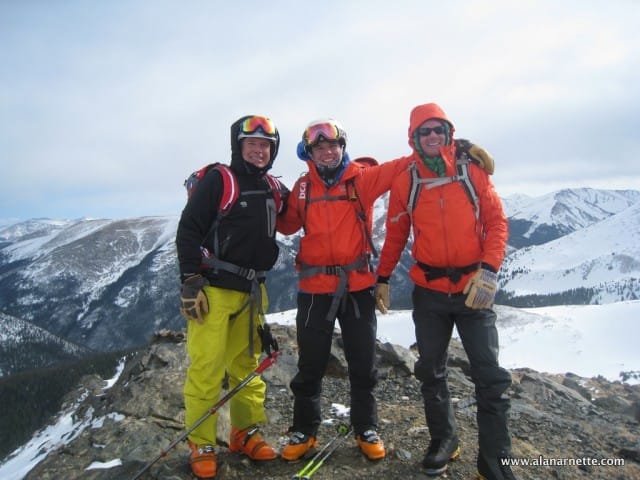
The Khumbu is full of activity right now but one team just left home for what may be the most unique expedition of 2014. Or perhaps I should say 3 expeditions aka the Triple 8. I have gotten to know this team over the last couple of years as they also live here in Colorado. So when Mike Moniz told me that he wanted to go climb three 8000 meter mountains in one push this spring, prescription I was not surprised. I was surprised when he told me his 16 year-old son, no Matt, was coming along. Actually, to be honest, I wasn’t totally surprised as Mike and Matt set a record in 2010 by climbing the highest point in each of the 50 U.S. States in 43 days, obviously including Mt. McKinley. Over a couple of dinners and hikes, Mike, Matt and long time friend, Jim Walkley shared the details of their Triple 8 expedition. To make this clear, these are the stats and no one has ever climbed all three in a single season. Cho Oyo, Tibet 26,906′ (8,201 m) Everest, Nepal 29,029′ (8,848 m) Lhotse, Nepal 27,940′ (8,516 m) While ambitious, they have thought through every detail and partnered with one of the Everest guides in the business, Willie Benegas. As if all this was not impressive enough, Willie and Matt will attempt to ski the Lhotse Couloir, something a few have tried and none have accomplished. I could write a book on this team, but these are a few highlights: Mike summited Everest and Lhotse back to back in 2012 plus the same summits of several extreme climbs with his son. Read my 2012 interview with Mike. Matt is an expert, world-class extreme skier with summits of McKinley, Elbrus, Aconcagua and Kilimanjaro. He was Mountain Hardwear’s first Youth Athlete and an Ambassador for Outdoor Nation. In 2010, he was one of National Geographic Adventures of the Year. Jim, an accomplished skier and mountaineer, has 6 of the 7 summits completed. He barely missed summiting Everest in 2012 Willie has summited Everest 11 times as part of 18 Himalayan climbs, including Cho Oyu, Ama Dablam, and Lhotse. He is known for his unselfish role in multiple rescues around the world. He and his twin brother, Damien, have made over 80 ascents of El Capitan plus over 50 climbs on Aconcagua. A little more on Matt. He is currently a sophomore, enrolled at Boulder High School and University of Colorado Boulder. To get the time for the Triple 8, he began attending classes at CU Boulder last summer and continued this past fall semester so he was able to leap ahead enough to double up the speed of his spring classes and complete early with the full support of his teachers. He’s maintained a 4.0 average at both schools. He has a few reading assignments and papers to complete during the expedition and Willie, from Argentina, will be teaching Matt Spanish! The plan is to acclimatize with a summit on Cho Oyu, then quickly get to Everest for a summit attempt followed by the ski attempt from the summit of Lhotse. In something this ambitious, it becomes a family affair. Matt’s twin sister Kaylee was the youngest person to summit Kilimanjaro in 2008 at age 10. The stabilizing force behind the amazing family is Dee Moniz, who went on several of the climbs with her family and keeps right up there them on the ski slopes. So, let’s get to know this team and their plans. Q: Who is the mastermind behind this Mike? Well Alan, depending on how you look at this, I take much of the credit or blame for the idea. As you reported in 2012 I had planned to climbed three 8000m peaks. Fortunately, I managed to complete two, Everest and Lhotse but the monsoon closed in, literally, as I stood on the summit of Lhotse. Lessons learned, reverse the order. With Cho Oyu first, the bonus is only one rotation through the Khumbu Ice Falls. Cho Oyu also offers an earlier summit window, we’re hoping for around May 6th, which opens up a bigger weather window in mid to late May for an Everest and Lhotse summit. Q: OK, so the big question Mike – I get Everest, but Cho Oyu, Everest and Lhotse in one push? Why? Multiple peaks have always been our style, much like our 50 US Highpoints in 43 days and Everest and Lhotse in 24 hours. We love the complexity and strategy these expeditions offer. Beyond that, starting on Cho Oyu accomplished two big objectives. We’ll test Matt’s performance on what is accepted as the “easiest” 8000-meter peak, Cho Oyu, prior to Everest and to reduce objective risk. Most importantly though, with Cho Oyu first it’s Matt’s bow of respect for Everest and its great alpine tradition. If you think about it Alan, the progression makes great sense. Recently Everest teams discovered the benefits of climbing Lobuche East to acclimatize to the equivalent elevation of Camp 1 on Everest. By doing so, teams eliminated one rotation out of four through the Khumbu Ice Falls, which is meaningful when you consider the high objective hazards they present. Taking this strategy a step further, by climbing Cho Oyu first we can limit the trips through the Ice Falls to just one, dramatically reducing objective hazard exposure. Q: Jim, you did not summit in 2012 on Everest. What happened? A: I was simply unlucky in 2012. I was one of the stronger members of a team that put everyone on the summit but two (26 in total summited except for my tentmate and me). We had a GI bug working its way through our team during our wait between our Camp III and Summit rotations. As we departed base camp on the final push, I was feeling very strong and made it to Camp II in under 5 hours. My good friend and tentmate arrived much later. That evening at 11pm,
Everest 2014: Sherpa Dies, Another Hurt – updated
It has been a difficult start for the hard working Sherpa on Everest 2014 with one death and and a separate serious accident. Tim Ripple, owner of Canadian guide service Peak Freaks, just reported the death of one of his Sherpa team, Mingma Tenzing. Tim reported that Mingma was not feeling well and was ed by the doctors at Himalayan Rescue Clinic. They had him evacuated to Kathmandu where he died at the hospital from apparent pulmonary edema. Tim reported: Yesterday afternoon he was at Everest Base camp working with the rest of the team organizing base camp when he complained of not feeling well. Tashi Tunde Sherpa, our Sirdar, organized getting him down to Pheriche to the HRA . The doctors there determined he had the onset of HAPE – high altitude pulmonary edema. Now too dark for helicopter rescue, he was kept at the under the care of the medical team who held his hand throughout the night. At first light he was lifted by helicopter and flown to Kathmandu. Karsung Sherpa our base manager met him at the airport and took a video of him walking with the oxygen bottle to the ambulance and showed this to me at the Ministry office. My first thought was one of relief, he can walk! he looks good! he’ll be okay! A few hours went by with the formalities and I get a call that Mingma Tenzing Sherpa from Namche Bazaar had passed away. They could not control the fluid that kept building in his lungs no matter how hard they tried. We are in complete disbelief. This reminds us once again just how serious AMS – (acute mountain sickness) is. Even with all the knowledge, medicene, s, awareness, conditioning and helicopters, you cannot guarantee no one will die from the affects of altitude. Mingma was young and strong and lives at altitude. This is a major blow to the Peak Freaks family as, like all operators, their Sherpa team is family. My deep and sincere condolences to Mingma’s family and the Peak Freaks team. IceFall Doctor Hurt Just before the news from Peak Freaks I received news from an on-scene, reliable source that one of the Icefall Doctors fixing the line in the Khumbu Icefall has fallen into a crevasse near Camp 1. He is reported to have broken his leg and was carried back down to Everest Base Camp where he will spend tonight then airlifted by helicopter to Kathmandu for ment. No names have been released. Sadly, it seems the Icefall Doctors are getting hurt more often these days. Last year, Mingmar Sherpa died after falling into a crevasse between Camps 1 and 2 in the Western Cwm. He was 45 years-old and was from Goratapting of Solukhumbu. He lived in Dingboche with his wife and son. He had been an Icefall Doctor for nine years. And in January 2013, long time leader of the Icefall Doctors, Ang Nima Sherpa, died at his home in Pangboche at age 59 in January.There is a BBC film crew doing a documentary on the work of the Icefall Doctors in 2014 so we will probably see exactly what happened this time. The Doctors are a small team of Sherpa who are paid to set the fixed line from Base Camp to Camp 2 plus the ladders that cross the deep crevasses. The Icefall can move up to three feet a day in the 2,000 foot high Khumbu Icefall so it requires constant monitoring and adjustment in April and May when climbers and Sherpa are doing rotations to the higher camps for acclimatization and establishing the higher camps. The crevasses in the Western Cwm are notoriously deep and can be hidden by fragile snow bridges after heavy snow. In 2001, Babu Chiri Sherpa died after falling into a crevasse near Camp 2. My wishes that this Sherpa recovers quickly. Climb On Alan Memories are Everything